

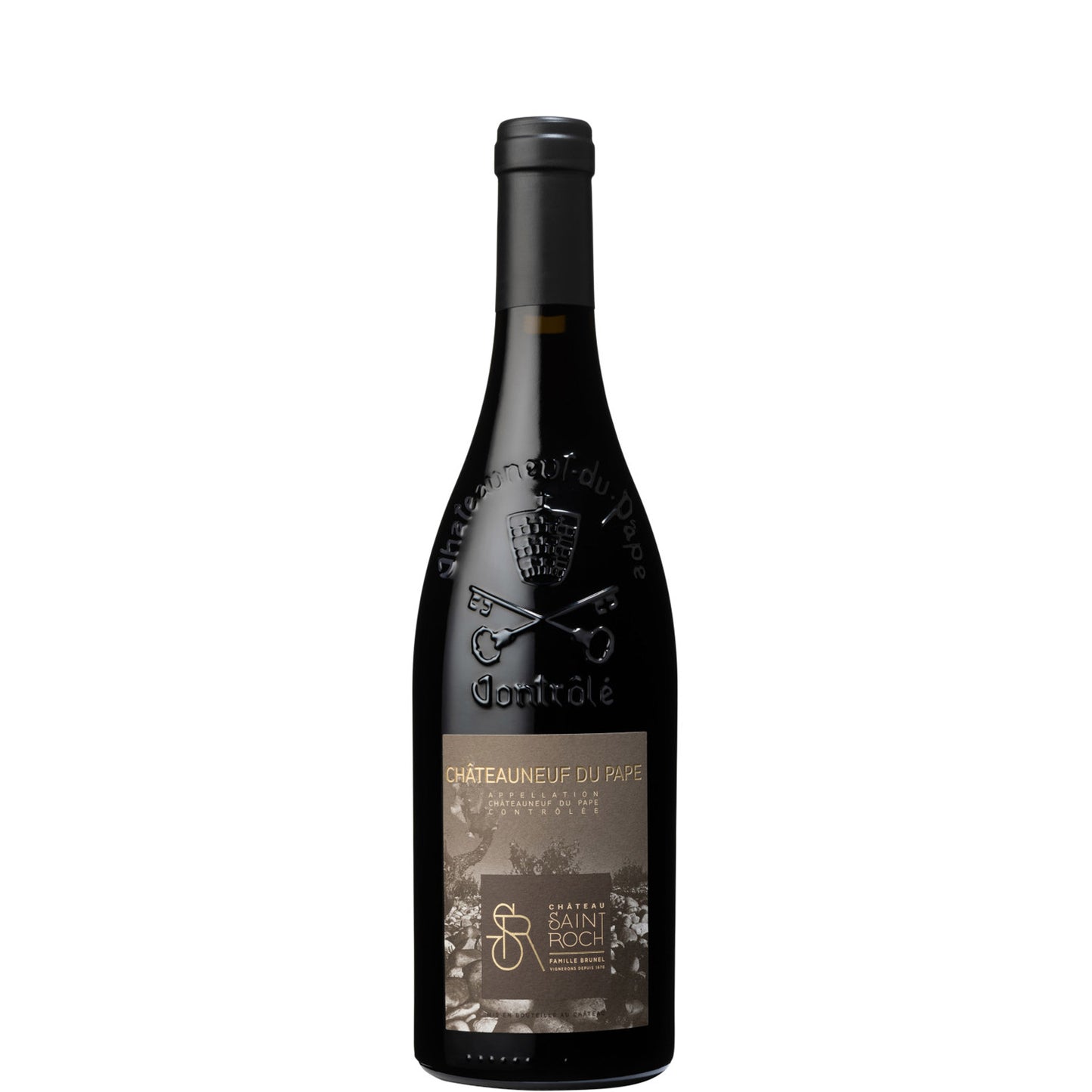
Château Saint-Roch, Châteauneuf-Du-Pape Rouge, 2023
Château Saint-Roch, Châteauneuf-Du-Pape Rouge, 2023
- 75cl
- 15%
- Red Still
- Grenache, Syrah, Mourvèdre
Couldn't load pickup availability

Optimal drinking window: 2026 - 2035
Châteauneuf-du-Pape is one of France's most recognisable, and most polarising, appellations: generous to the point of flamboyance in warm years, yet capable of real depth and complexity when the site and the hand behind it are right.
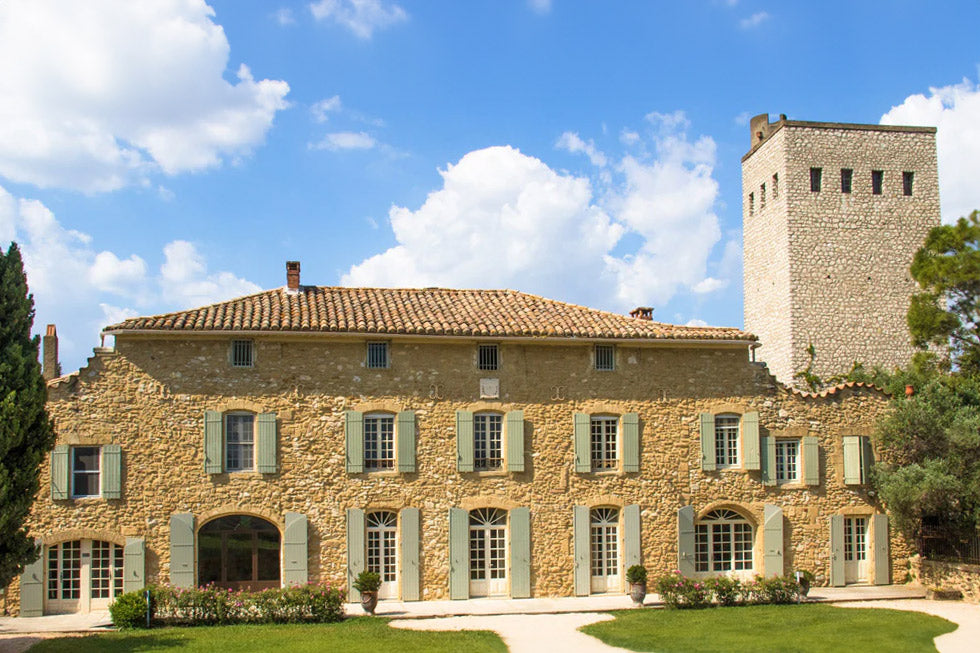
Château Saint-Roch sits in the southern Rhône, working with the classic blend of Grenache, Syrah, and Mourvèdre across vineyards defined by the famous galets roulés - those large, heat-retaining stones that make this corner of Provence so distinctive. The 2023 vintage brought another warm, concentrated season, and this wine has the density and warmth to show for it.
It's a big, confident wine with dark plum and wild herbs at its core, iron-edged tannins, and a finish that lingers with spice and earthy warmth. Drink it with something off the grill and no particular hurry to be anywhere.
Tasting Notes
AppearanceDeep ruby with a dense, near-opaque core and a rim that still shows some purple youth.
NoseDark plum, dried thyme, and the unmistakable garrigue scent of the southern Rhône — wild herbs baked in summer sun. Underneath, there's iron, roasting meat, and a suggestion of black olive. It's warm and expressive but not without restraint.
PalateFull-bodied and generous, with concentrated dark fruit that sits alongside cracked pepper and earthy savouriness. The tannins are firm and present — not harsh, but not yet fully integrated — and the alcohol makes its warmth felt on the mid-palate. Acidity holds the whole thing together better than you might expect from a wine this size.
FinishLong, spiced, and warming, with dried herb and iron lingering well after the fruit has faded.
Overall impressionA serious, sun-drenched Châteauneuf that needs a couple of years to find its balance.
Food Pairings
Around the southern Rhône, this style of wine belongs on the table with daube provençale — beef slow-braised with olives, orange peel, and plenty of red wine. Leg of lamb roasted with garlic and herbes de Provence is almost a cliché pairing, but it is a cliché for very good reason. Locals would also reach for a Châteauneuf like this alongside grilled wild boar or a hearty cassoulet when it crosses the border into Languedoc spirit. Strong, aged cheeses — a nutty Comté or a ripe Ossau-Iraty from the Pyrenees — work surprisingly well with the wine's earthy, spiced character.
We think this wine would go well with
Serve at 17-18°C — any warmer and the already-generous alcohol becomes the dominant feature. Decanting is worthwhile: give it at least 45 minutes to an hour to allow those firm tannins to soften and the aromatic complexity to open up. A large-bowled Burgundy or Rhône-style glass will give the wine the room it needs to breathe and show its full aromatic range.
The vineyards around Châteauneuf-du-Pape are famously carpeted with galets roulés — large smooth stones deposited by ancient glacial activity — which absorb heat during the day and radiate it back to the vines at night, aiding ripeness even in cooler seasons. Soils beneath vary from sandy limestone to red clay, and Saint-Roch's plots include parcels on these richer clay-limestone bases that give additional structure to the Grenache. The southern Rhône climate is hot and dry, with the Mistral wind playing a crucial moderating role, reducing disease pressure and concentrating fruit in the canopy.
Châteauneuf-du-Pape is the southern Rhône's headline appellation and one of France's oldest regulated wine zones, established under the original AOC laws in 1936. It permits an unusually wide range of grape varieties — up to 13 are allowed — though in practice most reds are dominated by Grenache, often blended with Syrah and Mourvèdre. Minimum alcohol is set at 12.5%, though in practice most wines land considerably higher, and yields are tightly controlled to encourage concentration. Compared to Gigondas or Vacqueyras nearby, Châteauneuf tends to be fuller, richer, and more age-worthy, carrying a price premium that reflects both its reputation and the genuine quality ceiling the appellation can reach.
The 2023 growing season in the Rhône started promisingly with a mild winter and early budbreak, but spring brought its challenges with late frosts affecting some vineyards, particularly in the north. Summer delivered the heat we expect here, though without the punishing extremes that can shut down photosynthesis entirely. What saved the vintage was September's cooling temperatures and occasional rain, allowing the grapes to retain freshness while completing their ripening cycle. Harvest began earlier than usual but proceeded at a measured pace, giving producers flexibility to pick at optimal moments.
The result is a vintage that captures the Rhône's sunny disposition without the overwrought power that can make these wines feel heavy-handed. Syrah from the northern appellations shows particular promise, combining the grape's natural spice and dark fruit intensity with surprising lift and precision. In the south, Grenache-based blends benefit from that late-season freshness, offering immediate charm whilst maintaining enough structure for proper ageing. Most 2023s are drinking beautifully now and will continue to develop until 2035, making this a vintage that rewards both early drinking and patient cellaring.
FAQs
What does Château Saint-Roch Châteauneuf-du-Pape Rouge 2023 taste like?
It is a big, warm, southern Rhône red — dark plum, wild herbs, cracked pepper, and iron-edged tannins, with a long spiced finish. The 2023 vintage brings plenty of concentration and heat, anchored by good acidity and structure beneath all that fruit.
What food should I pair with this wine?
Think slow-cooked lamb, daube provençale, wild boar, or anything coming off a grill with herbs and char. Strong, aged cheeses also hold their own against this wine's earthy depth.
Should I decant this wine?
Yes, and we mean it. Give it at least an hour in a decanter before serving — the tannins are firm and the wine needs air to open up and show its best. It will reward your patience.
Is Châteauneuf-du-Pape worth cellaring?
At its best, absolutely. The appellation produces wines capable of ageing a decade or more, and this one from Saint-Roch has the structure and concentration to repay patience.
What grape varieties are in this wine?
The classic southern Rhône blend of Grenache, Syrah, and Mourvèdre, with Grenache likely the dominant partner — as is traditional in Châteauneuf-du-Pape. Each variety contributes something distinct: Grenache brings warmth and fruit, Syrah the pepper and structure, and Mourvèdre the earthy, iron-edged backbone.


What are you looking for tonight? Tell me the occasion, a grape, a region — or just try a suggestion below.
Your recommendations will appear here.
-
-
Speak to one of our Wine Gurus
Speak to a Wine GuruWith years of experience, our team can help you with all your wine buying and selling needs