

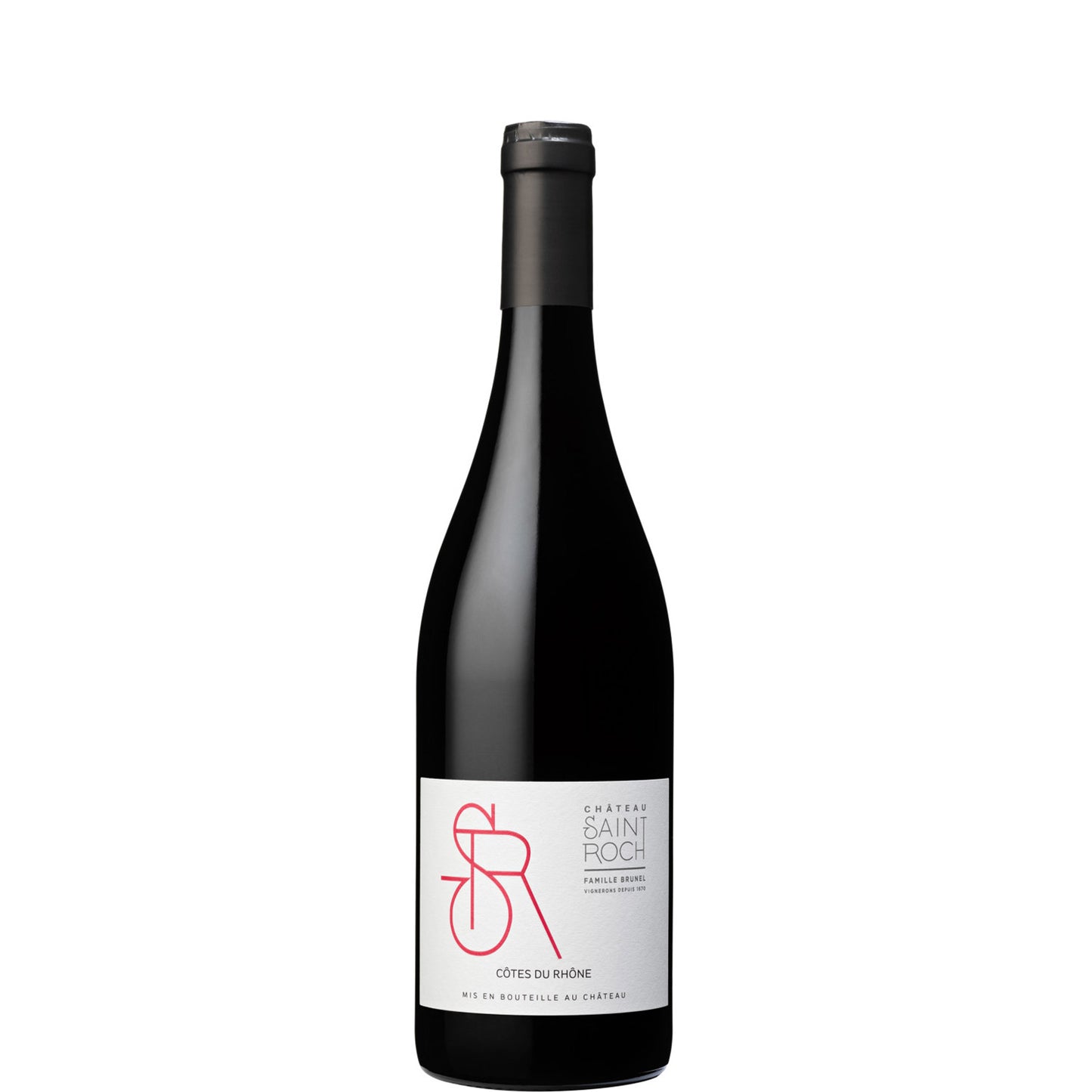
Château Saint-Roch, Côtes du Rhône, 2024
Château Saint-Roch, Côtes du Rhône, 2024
- 75cl
- 14.5%
- Red Still
- Grenache, Syrah, Mourvèdre
Couldn't load pickup availability

Optimal drinking window: 2026 - 2030
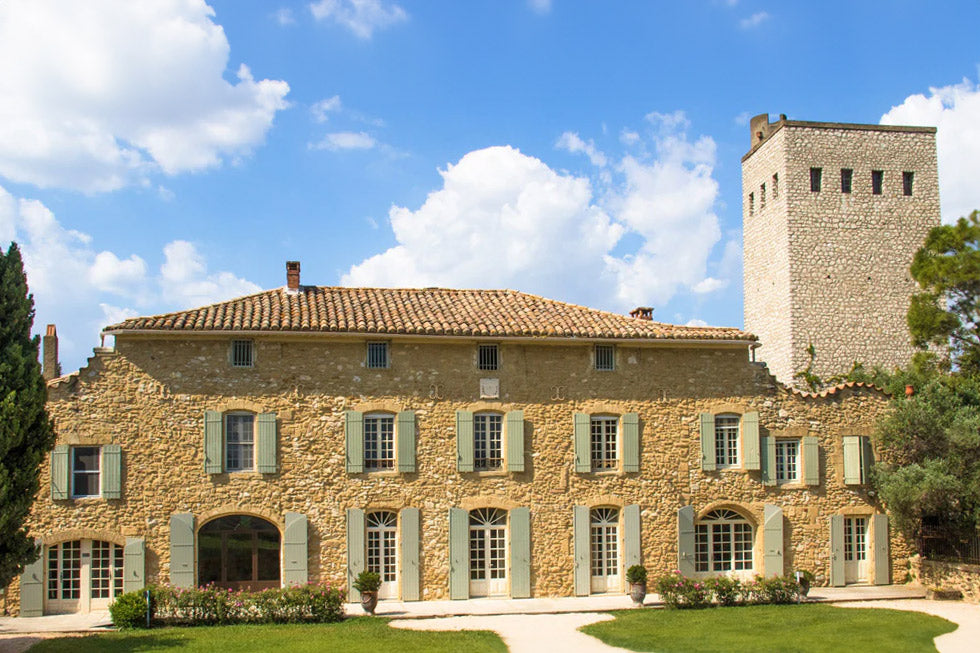
Château Saint-Roch sits in the southern Rhône, and this Côtes du Rhône does exactly what a well-made example should: it delivers the warmth, generosity, and sun-soaked character of the south without any of the jammy excess that gives cheap GSM blends a bad name. The 2024 vintage brought a long, warm growing season with enough freshness in the evenings to keep the wines lifted, and it shows here in the balance between ripe dark fruit and the herbal, scrubby garrigue quality that makes southern Rhône reds so distinctively southern French.
This is a wine to open, pour, and enjoy rather than agonise over. Drink it with something off the grill, a slow-cooked lamb, or simply a decent cheese board on a warm evening.
At two years old, the 2024 is already in a very comfortable place, with its primary fruit front and centre and the soft tannins fully integrated. Over the next two to three years it will settle into a slightly more savoury, less exuberant character as the fruit deepens and the herbal notes become more pronounced. Around 2028-2029 it will likely hit its plateau, offering the best balance of fruit and secondary complexity.
Tasting Notes
AppearanceDeep ruby with a warm, purple-tinged rim and good density in the glass.
NoseRipe dark cherry and black plum lead, followed by the dried herb and wild scrub quality that is the southern Rhône's signature. A whisper of black pepper and warm earth sits underneath, grounding the fruit without overwhelming it.
PalatePlush and generous from the first sip, with soft tannins and plenty of dark fruit flesh. There is enough acidity to keep things moving, and a savoury, almost meaty undercurrent that adds interest beyond the immediate fruit.
FinishWarm and peppery, with a lingering herbal note and a clean, dry close.
Overall impressionHonest, characterful southern Rhône that punches well above its appellation's reputation.
Food Pairings
In the southern Rhône, a wine like this would be poured alongside a daube de boeuf, the region's slow-braised beef stew fragrant with olives, orange peel, and herbs. Grilled lamb chops rubbed with herbes de Provence are a near-perfect match, amplifying the wine's garrigue character. A tapenade-loaded tartine or a plate of charcuterie heavy on saucisson sec would do just as well for something more casual. Aged Comté or a firm sheep's milk cheese from the region also works a treat.
We think this wine would go well with
Serve at around 16-17°C — cool enough to keep the fruit fresh, warm enough to let the wine open up. A 20-minute decant will soften the tannins and coax out the herbal notes, though it will perform perfectly well poured straight from the bottle. A standard Bordeaux or Rhône-style glass with a generous bowl gives the wine enough room to breathe without over-aerating it.
The vineyards around Château Saint-Roch sit on the classic soils of the southern Rhône: a mix of clay-limestone and the large rounded galets, the famous pudding stones, that absorb heat during the day and radiate it back to the vines at night. The Mediterranean climate brings long, hot summers moderated by the Mistral wind, which keeps humidity low and the vines healthy. This combination of heat, drainage, and wind stress produces grapes with concentrated flavour and natural phenolic ripeness, giving the wines their characteristic warmth and structure.
Côtes du Rhône is one of France's largest and most democratic appellations, covering vineyards across both the northern and southern Rhône Valley, though the vast majority of production comes from the south. The appellation allows a broad range of grape varieties, with Grenache, Syrah, and Mourvèdre forming the backbone of most red blends. It sits a step below the village-level Côtes du Rhône Villages and the prestige crus like Châteauneuf-du-Pape and Gigondas, but at its best it offers genuine southern Rhône character at a fraction of the price of its more celebrated neighbours.
The 2024 vintage in the Rhône arrived after a growing season that kept everyone guessing. Spring brought its share of rain, which replenished soils after previous dry years, but summer turned properly hot with several intense spells that had growers scrambling to protect their fruit. The saving grace came from cool nights that preserved acidity, and crucially, harvest conditions stayed dry and stable when it mattered most. Syrah and Grenache both ripened well, though yields varied considerably depending on how effectively each domaine managed the heat stress.
What emerged from the cellars shows all the hallmarks of a warm vintage done right: the reds have immediate appeal with ripe, fleshy fruit and supple tannins, whilst the whites display surprising freshness alongside their generous stone fruit flavours. Northern Rhône Syrah has produced wines with real depth and concentration, and we're particularly impressed by how the southern blends have retained their characteristic garrigue perfume despite the challenging conditions. Most 2024 reds are drinking beautifully now and will continue to develop until 2032, making this a vintage that rewards both early drinking and patient cellaring.
FAQs
What does this wine taste like?
Dark cherry, black plum, and the dried herbs and wild scrub of the southern Rhône, with soft tannins, a warm, generous palate, and a peppery, savoury finish. It is plush and easy-going without being simple.
When should I drink this wine?
It is drinking well right now and will continue to do so until around 2030. There is no compelling reason to cellar it — open it, enjoy it, and buy another bottle.
What food does it pair best with?
Grilled or slow-cooked lamb is the classic match, but it is equally good with beef daubes, charcuterie, aged hard cheeses, or anything cooked with olives and Mediterranean herbs.
How should I serve it?
Serve at around 16-17°C. A brief 20-minute decant is helpful but not essential. Use a generous Rhône or Bordeaux-style glass to give it a bit of room.
Is it worth cellaring?
It will hold until 2030 without any trouble, but this is not a wine built for long ageing. Its charm is in the freshness and warmth of the fruit, which will be most vibrant in the next three to four years.
How does it compare to Châteauneuf-du-Pape?
Côtes du Rhône and Châteauneuf-du-Pape share the same grape varieties and much of the same landscape, but Châteauneuf sits at a different level of concentration, complexity, and price. This is a leaner, more immediately approachable expression of the same southern Rhône character — excellent value for everyday drinking rather than a cellar statement.


What are you looking for tonight? Tell me the occasion, a grape, a region — or just try a suggestion below.
Your recommendations will appear here.
-
-
Speak to one of our Wine Gurus
Speak to a Wine GuruWith years of experience, our team can help you with all your wine buying and selling needs