

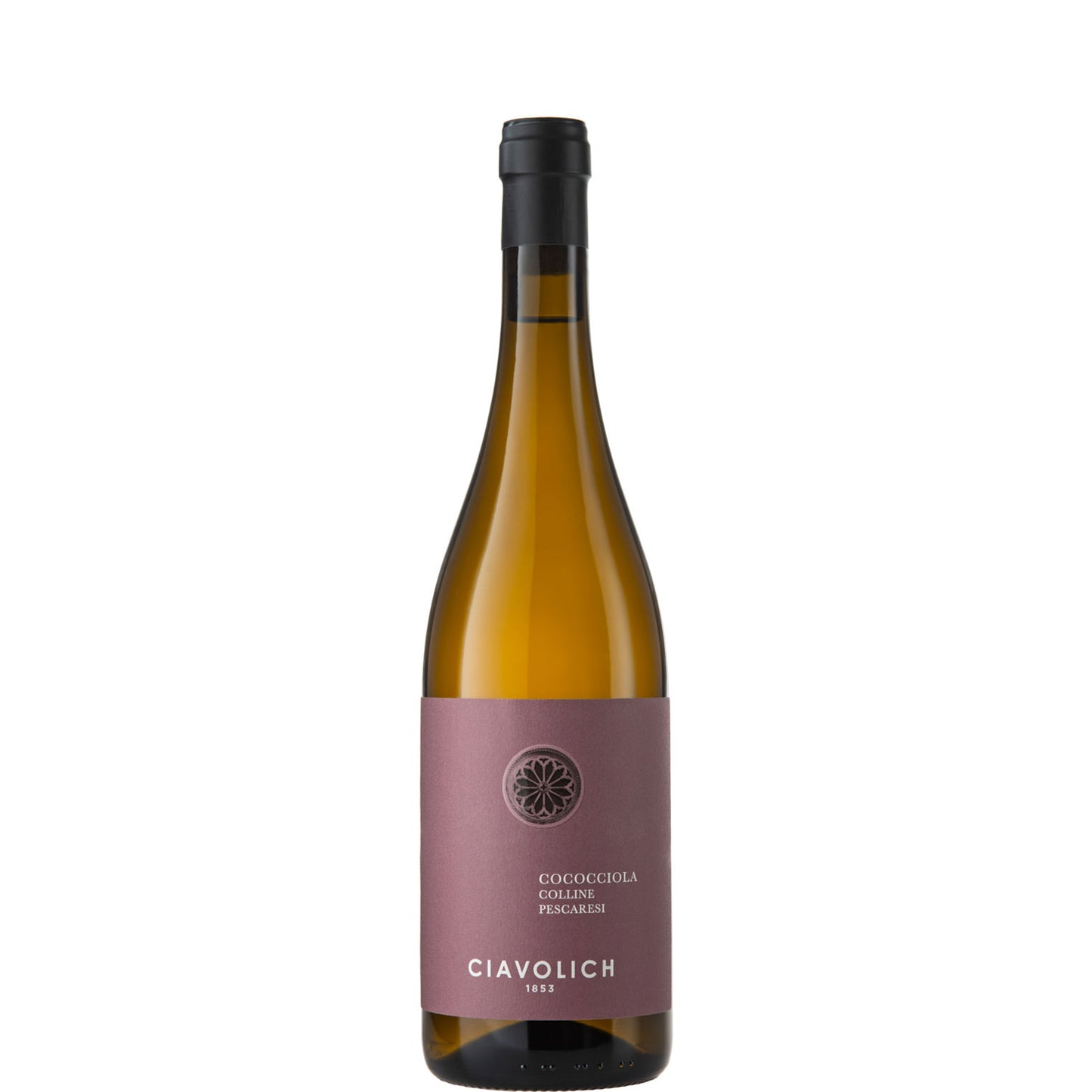
Ciavolich, Cococciola, Colline Pescaresi, 2024
Ciavolich, Cococciola, Colline Pescaresi, 2024
- 75cl
- 12.5%
- White Still
- Cococciola
Couldn't load pickup availability

Optimal drinking window: 2026 - 2029
Ciavolich is one of Abruzzo's great standard-bearers, a family estate with roots going back to 1853 and a modern winemaking approach that takes the region's indigenous grapes seriously. This Cococciola — a variety so obscure it barely registers outside the Pescara hills — is exactly the kind of wine that makes us love what Ciavolich does. Grown on the Colline Pescaresi, the gentle hills inland from the Adriatic, it's a white of real freshness and personality: bright, saline, aromatic, and utterly food-friendly.
We find the 2024 vintage expressive and immediate, with white peach, wild fennel, and a briny mineral edge that speaks of the proximity to the sea. Chill it down, open a bag of clams, and get on with it.
The 2024 is in its prime right now and will remain so for the next two to three years. The fresh fruit and saline acidity that define it are at their most vivid, and there is no structural case for keeping it longer than that. By 2027 or 2028 it will start to soften and the aromatics will begin to flatten. This is not a wine that rewards patience — it rewards decisiveness. Drink it while it crackles.
Tasting Notes
AppearancePale straw with a faint green tint and good clarity.
NoseImmediate and aromatic — white peach and pear blossom lead, followed by wild fennel and a lift of lemon verbena. There's a saline, almost coastal quality underneath that gives it real identity.
PalateLight to medium bodied with lively acidity that drives the wine forward cleanly. White citrus and stone fruit sit alongside a flinty mineral thread, with a touch of bitter almond on the mid-palate that is distinctly Cococciola. Nothing overworked — just fresh, direct, and convincing.
FinishClean, saline, and refreshingly dry, with the lemon zest and fennel lingering longer than you'd expect for a wine this light.
Overall impressionA quietly brilliant argument for Abruzzo's indigenous whites — precise, characterful, and genuinely thirst-making.
Food Pairings
On the Adriatic coast of Abruzzo, a wine like this would almost certainly meet a plate of spaghetti alle vongole or brodetto di pesce — the local fisherman's stew built on whatever came off the boats that morning. Inland, the hills around Loreto Aprutino produce some of Italy's finest olive oil, and a simple bruschetta dressed with just-pressed Aprutino Pescarese DOP oil is a pairing of almost unreasonable pleasure. Locally cured lamb salumi, grilled fresh anchovies with lemon, or a fritto misto of mixed seafood and vegetables would all be entirely at home here. The saline edge in the wine is practically designed to meet the sea.
We think this wine would go well with
Serve well chilled at around 8-10°C — this is a wine that sings cold and loses its snap if it warms too quickly in the glass. No need to decant; open and pour straight away. A standard white wine tulip works perfectly, though a slightly wider bowl will help the aromatic lift come through. Don't overthink it.
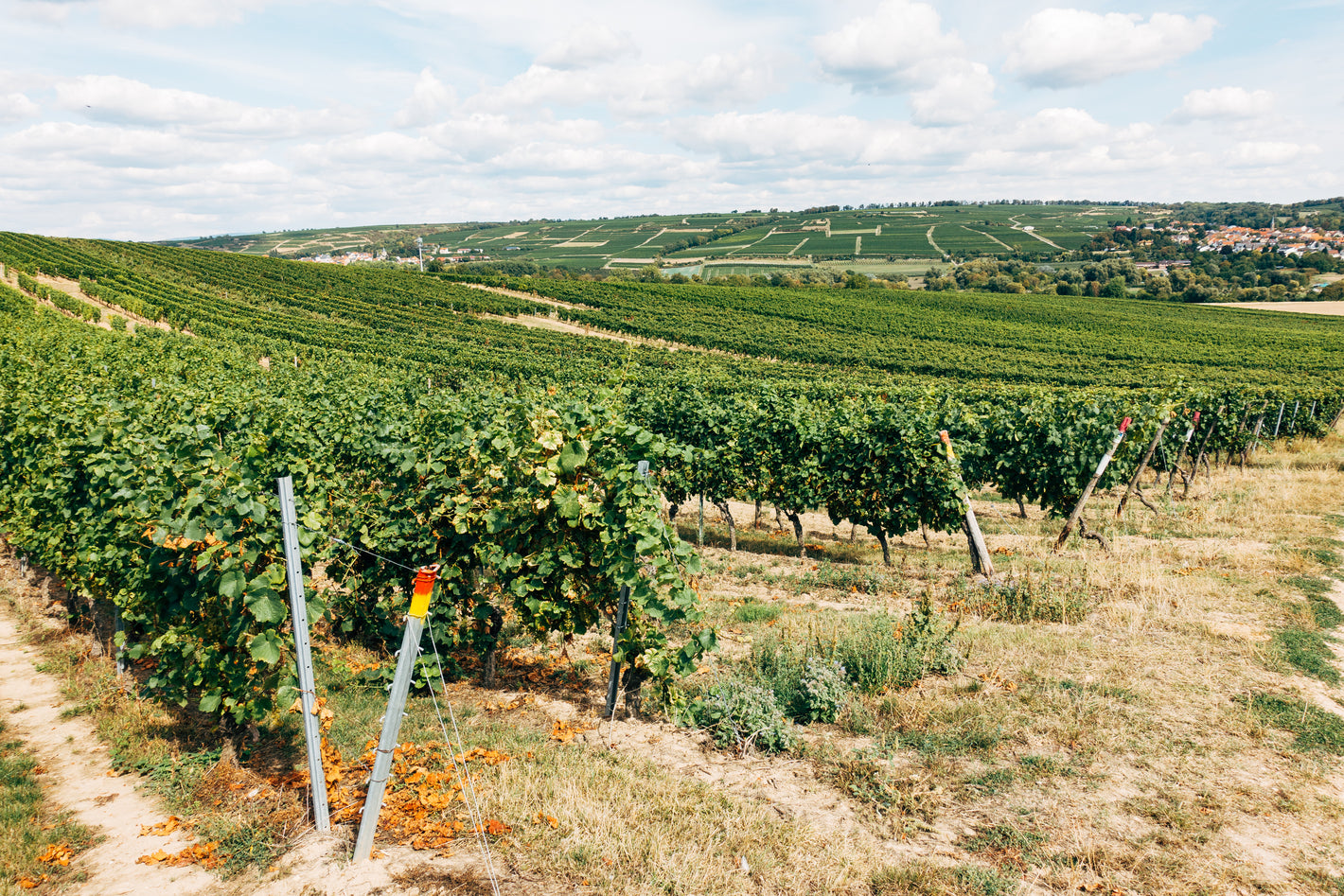
The Colline Pescaresi — the hills of the Pescara province — sit between the Apennine mountains and the Adriatic coast, and that tension shapes everything. Soils here are predominantly clay and limestone, which retain freshness and give whites their characteristic mineral edge. Altitude moderates the heat of the Italian summer, preserving acidity, while the Adriatic influence brings saline air that finds its way into the wine. It's a setting that rewards aromatic whites far more than its low profile might suggest.
Colline Pescaresi IGT is a broad indicazione geografica tipica covering the hills of the Pescara province in Abruzzo. It operates with relatively flexible rules compared to the stricter DOC designations, which is precisely why producers like Ciavolich use it — it allows them to vinify indigenous varieties like Cococciola that don't fit neatly into the mainstream Trebbiano d'Abruzzo DOC framework. Think of it as Abruzzo's creative space: less bureaucracy, more freedom to do right by the grape.
The 2024 growing season in Abruzzo was shaped by the kind of climatic whiplash that has become increasingly familiar across central Italy: a wet spring that built good reserves in the soil, followed by a warm, dry summer that demanded careful canopy management and, in some cases, earlier picking decisions than producers had originally planned. The Adriatic influence kept things fresher along the coast, but the heat pushed hard through the interior. Overall, yields were down in places, which tends to concentrate minds as well as fruit.
It is still early days for 2024, and we are cautious about grand pronouncements, but what we have tasted is promising rather than epoch-making. Montepulciano d'Abruzzo shows the variety's characteristic grip and dark fruit with good freshness holding the structure honest, while Pecorino continues its quiet run of reliable, characterful form. Most reds will reward patience and are probably best approached from 2026 onwards, though the whites are drinking well now.
FAQs
What does Cococciola taste like?
Cococciola is a native Abruzzese white grape with a naturally aromatic, saline character. Think white peach, lemon zest, wild fennel, and a briny mineral edge — bright, dry, and refreshingly food-friendly rather than rich or weighty.
When should I drink this wine?
Now is the right answer. The 2024 is at its freshest and most expressive, and we'd drink it before 2029. It's built for pleasure, not patience.
What food works well with this?
Seafood is the obvious match — clams, fresh anchovies, grilled fish, or a classic brodetto. It also works well with light antipasti, good olive oil on bread, or anything with a squeeze of lemon over it.
Is this wine worth cellaring?
Not really. Its appeal is precisely in its freshness and saline bite — qualities that fade with time. Open it within the next two to three years for the best experience.
How should I serve it?
Serve it well chilled, around 8-10°C, straight from the bottle with no decanting needed. A standard white wine glass is all you need.
Who are Ciavolich and why should I trust them with an obscure grape?
Ciavolich have been farming in the Pescara hills since 1853, which gives them a head start on most. They're one of Abruzzo's most thoughtful producers, and their commitment to indigenous varieties like Cococciola is exactly why this wine exists at all. If anyone is going to make the case for a near-forgotten grape, it's them.

Explore related wines


What are you looking for tonight? Tell me the occasion, a grape, a region — or just try a suggestion below.
Your recommendations will appear here.
-
-
Speak to one of our Wine Gurus
Speak to a Wine GuruWith years of experience, our team can help you with all your wine buying and selling needs