

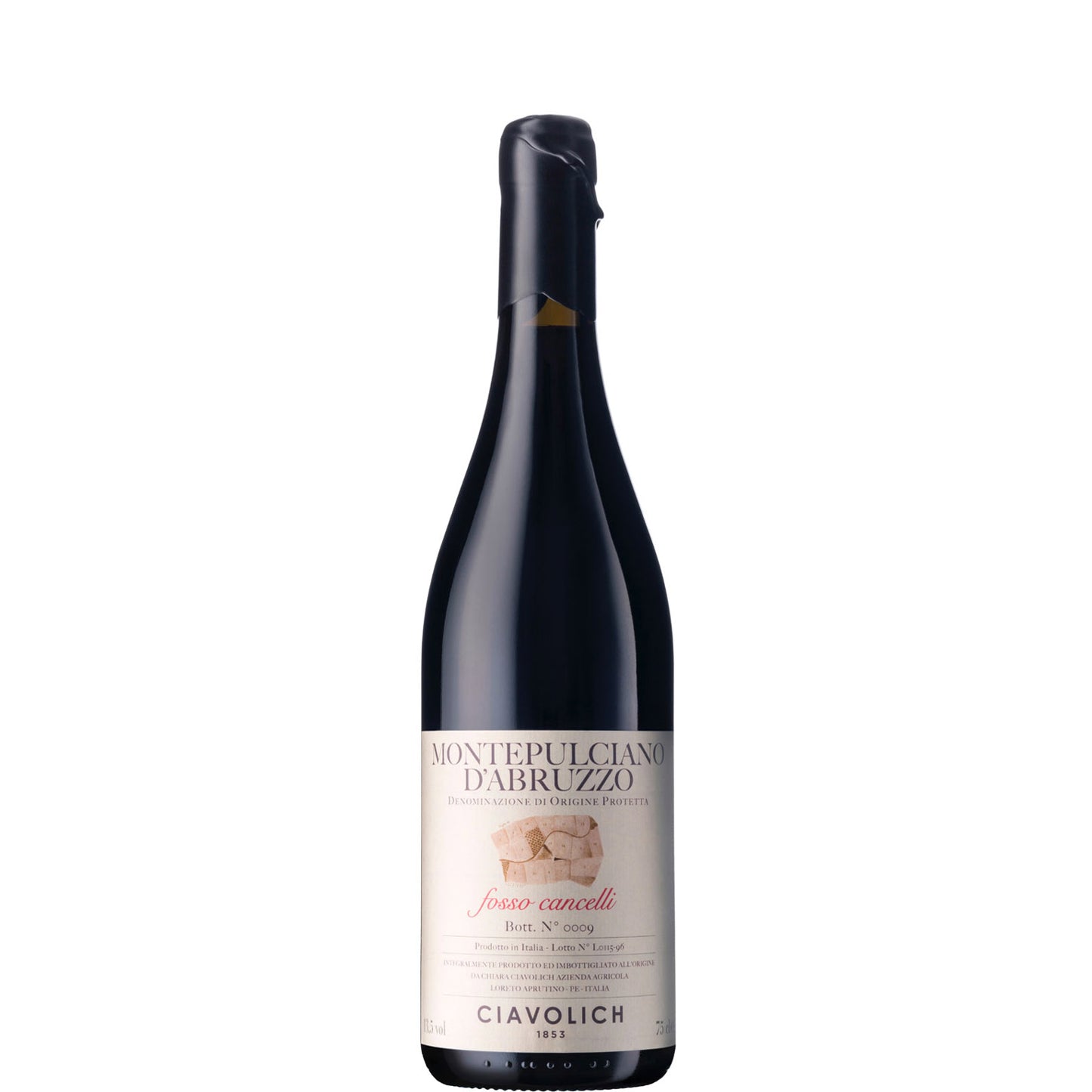
Ciavolich, Montepulciano, Fosso Cancelli 2019
Ciavolich, Montepulciano, Fosso Cancelli 2019
- 75cl
- 13.5%
- Red Still
- Montepulciano d'Abruzzo
Couldn't load pickup availability

Optimal drinking window: Now - 2032
Ciavolich is one of Abruzzo's most quietly serious estates, and Fosso Cancelli is their single-vineyard Montepulciano d'Abruzzo; the kind of wine that reminds you why this grape deserves more attention than it typically gets. The 2019 vintage gave Abruzzo a long, warm growing season with just enough diurnal shift in the hills to keep freshness intact, and it shows: the wine has real structure without the heaviness that can drag Montepulciano into murky territory.
This is a wine built on grip and depth rather than easy charm. Dark fruit, iron, dried herbs, and a firm but yielding tannin structure that wants lamb chops or aged pecorino beside it. Open it an hour before you sit down and let it breathe - it has things to say, but needs a moment to gather itself.
The 2019 is currently in a good drinking window but still has the grip of youth — the tannins are present and want food. Over the next two to three years, expect the fruit to deepen and the iron-mineral character to become more pronounced as primary fruit integrates. By around 2028 to 2030 it should reach its most expressive point, with the dark fruit and earthy complexity fully woven together. After 2032 the fruit may begin to dry out, as Montepulciano rarely ages beyond a decade with the same vitality it shows in its prime.
Tasting Notes
AppearanceDeep, near-opaque ruby with a violet edge that's barely faded at seven years old.
NoseDark cherry, dried black olive, and something iron-like and mineral underneath. There's a whisper of dried violet and a faint earthiness that speaks of the clay soils. It needs air to fully open — be patient.
PalateFull-bodied and firmly structured, with tannins that are grippy but not aggressive — more texture than sharp edges. The fruit is dark and serious: morello cherry, plum skin, and a savoury, almost meaty undercurrent. Acidity is solid and keeps everything honest.
FinishLong, dry, and herb-edged with a pleasing mineral persistence that lingers well after the fruit has faded.
Overall impressionA serious, food-focused Montepulciano that earns its single-vineyard billing.
Food Pairings
In Abruzzo, Montepulciano like this is the default companion to arrosticini — those short, fat skewers of castrato lamb grilled over charcoal that you find at every roadside grill in the region. It also sits naturally alongside slow-braised lamb with wild rosemary, or the local pasta al forno made with rich lamb ragu. Aged Pecorino di Farindola, Abruzzo's rare raw-milk sheep's cheese, works brilliantly with the wine's tannic grip. For something simpler, a plate of cured meats — especially the local ventricina salami — is all you need.
We think this wine would go well with
Serve at around 17°C — any warmer and the tannins soften into something a bit flat. Decant for at least an hour, ideally longer; the wine is approachable but tight on opening and rewards the patience. A large-bowled Bordeaux-style glass gives the aromatics room to expand and lets the structure settle.
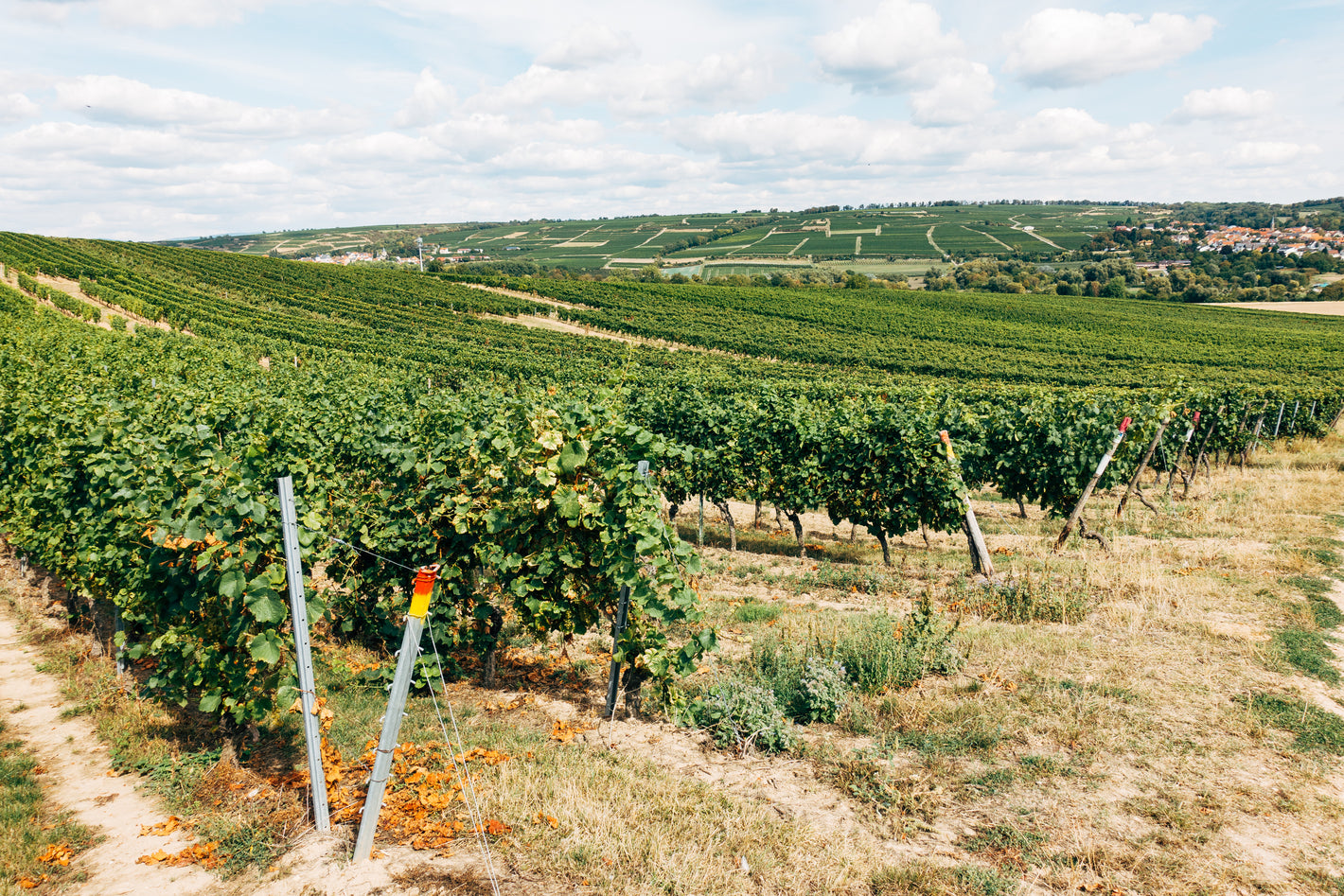
The Fosso Cancelli vineyard sits in the hills behind Pescara, at altitude sufficient to slow ripening and preserve acidity in what can be a hot, dry climate. Soils here are predominantly clay-limestone, which gives Montepulciano its characteristic iron-inflected depth and helps the grape hold freshness through the long Abruzzo summer. The proximity to the Gran Sasso massif brings cool overnight temperatures that are essential for the variety's aromatic definition.
Montepulciano d'Abruzzo DOC covers red and rosato wines made predominantly from the Montepulciano grape across the Abruzzo region on Italy's central Adriatic coast. It is one of Italy's most widely planted DOCs, which has long given it a reputation as a workhorse rather than a fine-wine appellation — unfairly so, when producers like Ciavolich treat it seriously. The grape itself is distinct from Vino Nobile di Montepulciano in Tuscany, which is Sangiovese-based; the naming coincidence has confused buyers for decades. At its best, Montepulciano d'Abruzzo delivers impressive colour, tannin, and dark fruit character at relatively accessible prices.
Abruzzo had a cracker of a vintage in 2019, the sort of year that reminds you why Montepulciano d'Abruzzo deserves serious attention. The growing season delivered that Goldilocks combination of adequate winter rain, a warm but not punishing summer, and crucially, those cool nights in the hills that keep the grapes singing rather than shouting. Harvest came in at just the right pace, with producers able to pick when they wanted rather than when panic demanded.
The wines show Abruzzo at its most compelling: Montepulciano with proper backbone and that distinctive earthy undertone, but without the sometimes rustic edges that can mar lesser years. Pecorino turned out particularly well, with enough weight to match the variety's natural brightness. We're drinking these now with genuine pleasure, and the better examples will reward another three to five years in the cellar if you can resist.
FAQs
What does Fosso Cancelli taste like?
Dark cherry, dried violet, black olive, and iron-edged minerality, with firm tannins and a long savoury finish. It is structured and food-focused rather than immediately generous — the kind of wine that opens up over an hour in the glass.
When is the best time to drink the 2019?
It is drinking well now and will continue to do so until around 2032. We would give it at least an hour's decanting before serving, and it will only get more expressive over the next few years as the tannins settle.
What food should I serve with this wine?
This is lamb country. Grilled lamb chops, slow-braised shoulder with rosemary, or the Abruzzo classic arrosticini are ideal. Aged Pecorino cheese, hearty pasta al forno, or cured meats also work very well.
How should I serve it?
Serve at around 17°C and decant for at least an hour. A large-bowled glass helps the aromatics open up and lets the structure breathe.
Is this worth cellaring?
Yes, within reason. It will develop nicely until around 2030 and remain enjoyable until 2032. Beyond that, Montepulciano tends to lose its fruit before it gains the kind of tertiary complexity that makes extended cellaring worthwhile.
Is this the same grape as Vino Nobile di Montepulciano?
No — a famous source of confusion. Montepulciano d'Abruzzo is made from the Montepulciano grape, native to central Italy. Vino Nobile di Montepulciano is a Tuscan wine made from Sangiovese, named after the town of Montepulciano rather than the grape. They have nothing in common beyond the name.

Explore related wines


What are you looking for tonight? Tell me the occasion, a grape, a region — or just try a suggestion below.
Your recommendations will appear here.
-
-
Speak to one of our Wine Gurus
Speak to a Wine GuruWith years of experience, our team can help you with all your wine buying and selling needs