

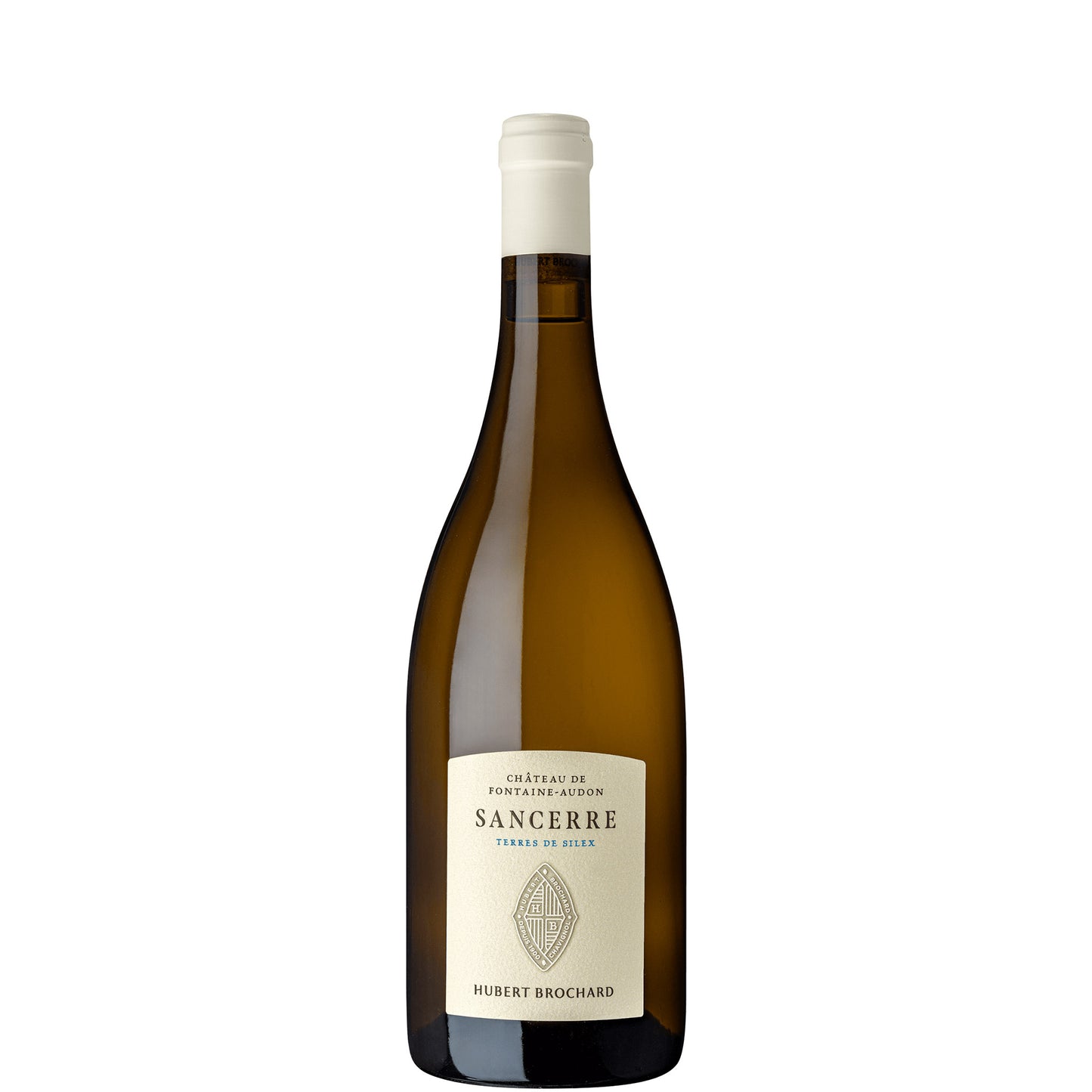
Domaine Hubert Brochard, Sancerre Terroir De Silex Fontaine-Audon, 2024
Domaine Hubert Brochard, Sancerre Terroir De Silex Fontaine-Audon, 2024
- 75cl
- 13%
- White Still
- Sauvignon Blanc
Couldn't load pickup availability

Optimal drinking window: 2026 - 2030
Hubert Brochard's Terroir de Silex is Sancerre doing what only Sancerre can: turning a single grape variety and a patch of flint-rich soil into something that feels almost elemental. The Fontaine-Audon lieu-dit sits on pure silex — that distinctive gunflint soil that gives Loire Sauvignon Blanc its famously mineral, almost smoky edge. The 2024 vintage brought freshness and precision across the appellation, and this wine has both in abundance: white stone fruit, crisp citrus, and a nervy, saline finish that makes you reach for the next sip.
We find this is exactly the style to open over the next two to four years, when the primary fruit is vivid and that flint-struck character is at its most expressive. It's a textbook argument for why Sancerre still matters. Drink now until 2030.
The 2024 is in a lovely primary phase right now, with the flint-and-citrus character vivid and the fruit at its most expressive. Over the next one to two years it will settle and integrate, the smokiness becoming a little more woven into the fruit rather than upfront. By 2028 or so, the wine should be at its most complete, with the mineral and fruit elements in real balance. We wouldn't push it much beyond 2030 — silex Sancerre ages well by the standards of the appellation, but it's built for precision rather than transformation, and the fruit will start to fade before secondary complexity fully takes over.
Tasting Notes
AppearancePale gold with a faint green rim, bright and clear in the glass.
NoseThere's a struck-flint smokiness right upfront — that signature silex character — followed by white peach, lime zest, and a thread of fresh-cut grass. As it opens, a subtle blossom note emerges without softening the overall precision.
PalateLean and focused, with green apple and citrus pith doing the heavy lifting alongside that stony, almost saline mineral quality. The acidity is clean and persistent rather than sharp, giving the wine real shape and length without any harsh edges.
FinishLong and minerally, with a lingering flint and citrus rind character that keeps the mouth fresh.
Overall impressionPrecise, site-specific Sancerre that makes the silex argument compellingly and without fuss.
Food Pairings
In the Loire, this is the wine you open with a Crottin de Chavignol — the local goat's cheese made just down the road in the same village where Brochard is based, and one of the great natural pairings in French gastronomy. Beyond cheese, locals would serve it alongside freshwater fish from the Loire itself: pike-perch (sandre) in a beurre blanc sauce is the classic, or simply grilled perch with herbs. Asparagus in season — white asparagus from the Val de Loire, dressed with a little vinaigrette — is another natural match, the wine's acidity cutting cleanly through any richness. River crayfish with butter and shallots would also be very much at home here.
We think this wine would go well with
Serve at 10-12°C — cold enough to keep it crisp but not so cold that the flint-mineral character closes up. No need to decant; just pour straight from a cool fridge and let it warm gently in the glass. A tulip-shaped white wine glass works well, giving enough room for the aromatic detail to develop without the broad bowl of a Burgundy glass, which can make it feel diffuse.
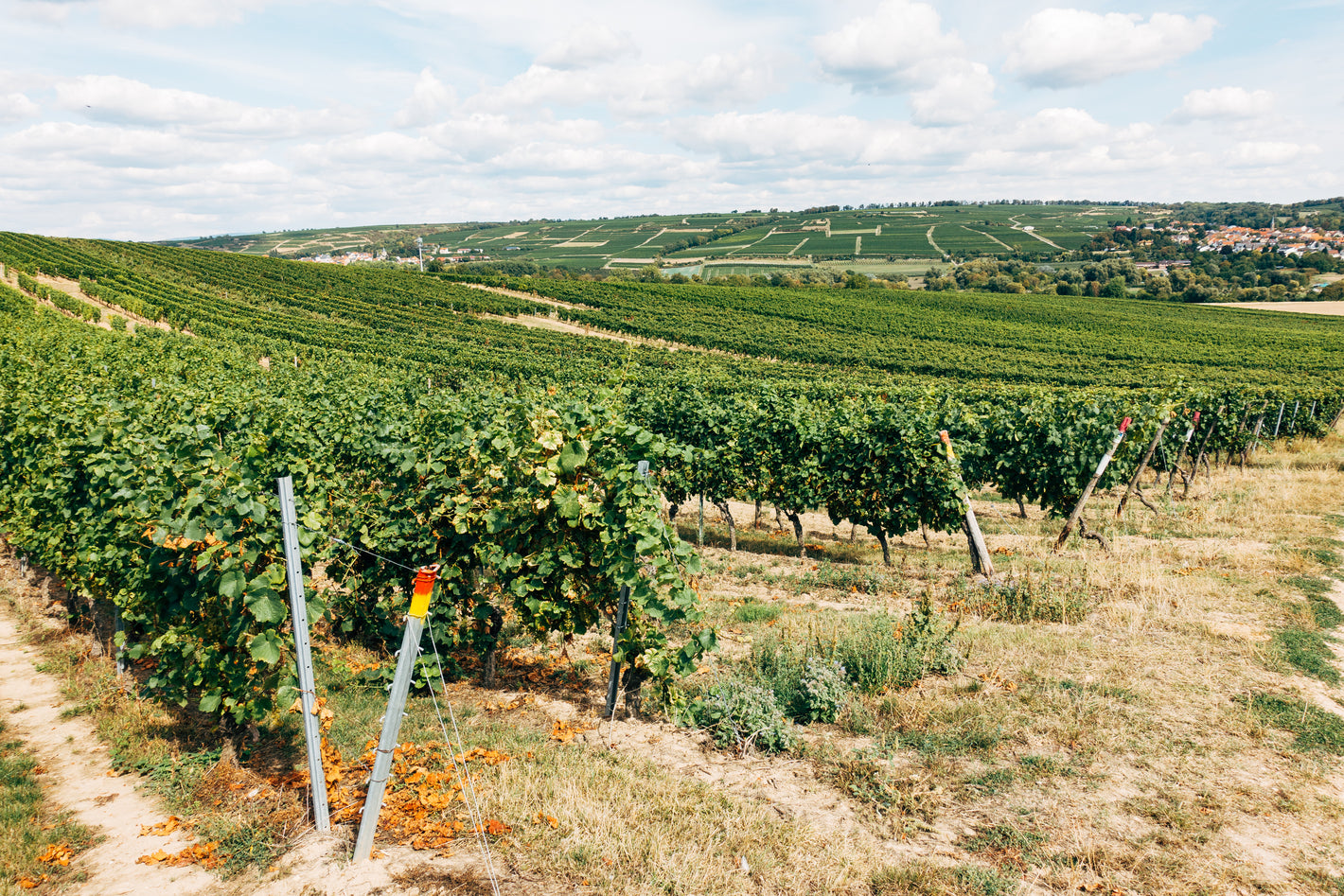
The Fontaine-Audon lieu-dit is defined by its silex soils — hard, dark, silica-rich flint that drains sharply and heats up quickly in the afternoon sun. This heat retention ripens the Sauvignon Blanc fully while the stony, mineral-lean soil denies the vine excess nutrients, keeping yields modest and flavours concentrated. The result is a wine with a distinctive smoky, almost gunpowder quality alongside its fruit, a character unique to flint-dominant sites in the central Loire. Silex vineyards in Sancerre tend to produce wines with more structure and saline precision than the softer, rounder styles that come from the chalk-clay terres blanches.
Sancerre is the most celebrated appellation of the central Loire Valley, producing Sauvignon Blanc whites and Pinot Noir reds and rosés on the west bank of the Loire around the hilltop town of the same name. The AOC encompasses 14 communes and a patchwork of three principal soil types — silex (flint), calcaire (limestone), and terres blanches (Kimmeridgian clay-limestone) — each producing wines with a recognisably different character. Sancerre sits directly across the river from Pouilly-Fumé, its great rival, though the two appellations are legally and stylistically distinct. At its best, Sancerre is one of the world's great expressions of Sauvignon Blanc: pure, mineral, and age-worthy in a way that the grape's more aromatic, exuberant styles from the New World simply are not.
We're still learning what 2024 gave us in the Loire, but the early signs are promising. The growing season brought its share of drama — a challenging spring that kept vignerons on their toes, followed by a summer that delivered just enough sunshine without tipping into the punishing heat that can flatten the region's trademark freshness. Harvest timing varied considerably across the valley's sprawling length, with producers picking earlier than usual in some appellations while others waited for that final push of ripeness.
What we're tasting shows wines with lovely energy and balance, particularly from Sancerre and Pouilly-Fumé where the Sauvignon Blanc has that mineral backbone we adore without the green aggression of cooler years. The Chenin Blanc from Vouvray and the Coteaux du Layon seems to have found its sweet spot between richness and acidity, while early tastings of Chinon suggest the Cabernet Franc has real potential for structured, age-worthy reds. Most 2024s are drinking beautifully now with their youthful vibrancy intact, though we suspect the better examples will reward patience over the next three to five years.
FAQs
What does this wine taste like?
It's precise and mineral-driven, with white peach, lime zest, and a distinctive smoky, flint-like quality that comes directly from the silex soils where the vines grow. The finish is clean, saline, and long. If you've only tried fruit-forward Sauvignon Blanc, this will feel like a different proposition entirely.
What makes this different from regular Sancerre?
The Terroir de Silex is a single lieu-dit wine sourced specifically from flint-dominant soils in Fontaine-Audon. Silex gives Sancerre a smokier, more mineral and nervy character compared to the rounder, creamier wines from terres blanches (chalk-clay) soils. It's a more precise, site-specific style and one of the more interesting arguments the appellation makes.
When should I drink this wine?
It's drinking very well right now in 2026 and will continue to do so until around 2030. This isn't a wine that needs cellaring, but it's not fragile either. The next two to three years are probably its sweet spot.
What food should I serve with this?
Goat's cheese is the classic match — Crottin de Chavignol if you can find it, but any good fresh or semi-aged chèvre will work. Beyond that, think freshwater fish in butter sauces, asparagus, river crayfish, or simply a good moules marinière. The wine's acidity and mineral edge make it very food-friendly.
How should I serve it?
Serve at around 10-12°C, straight from the fridge and left to warm slightly in the glass. No decanting needed. A standard tulip-shaped white wine glass is ideal — you want enough space for the aromas to develop but not so much that the wine feels lost.
Is Hubert Brochard a reliable producer?
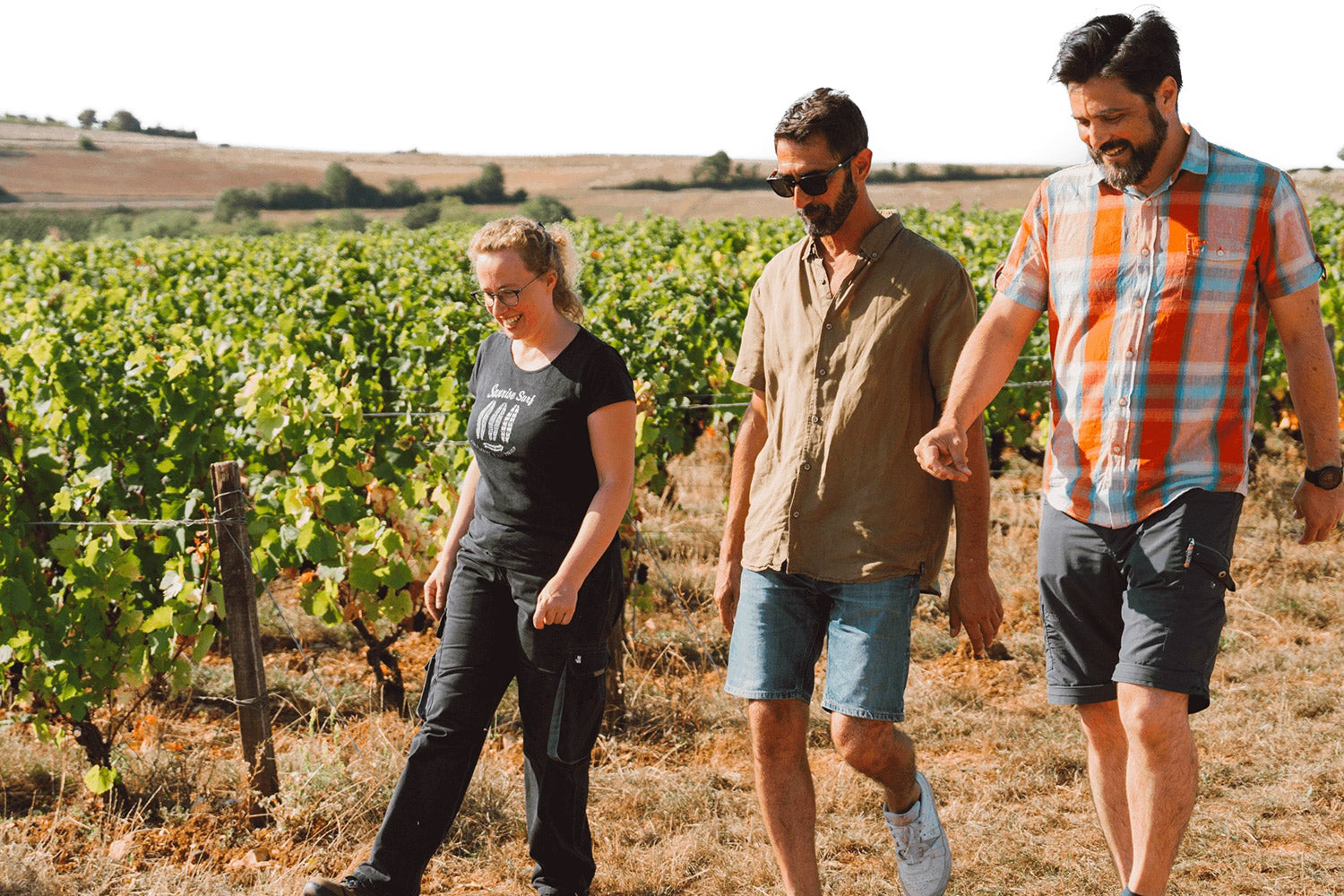
Yes, very much so. The Brochard family are among the more serious producers in Chavignol, one of Sancerre's most respected villages. Their single-terroir cuvées are made to show distinct soil types rather than blending everything into a house style, which we think makes for more interesting and honest wines.
Explore related wines


What are you looking for tonight? Tell me the occasion, a grape, a region — or just try a suggestion below.
Your recommendations will appear here.
-
-
Speak to one of our Wine Gurus
Speak to a Wine GuruWith years of experience, our team can help you with all your wine buying and selling needs