

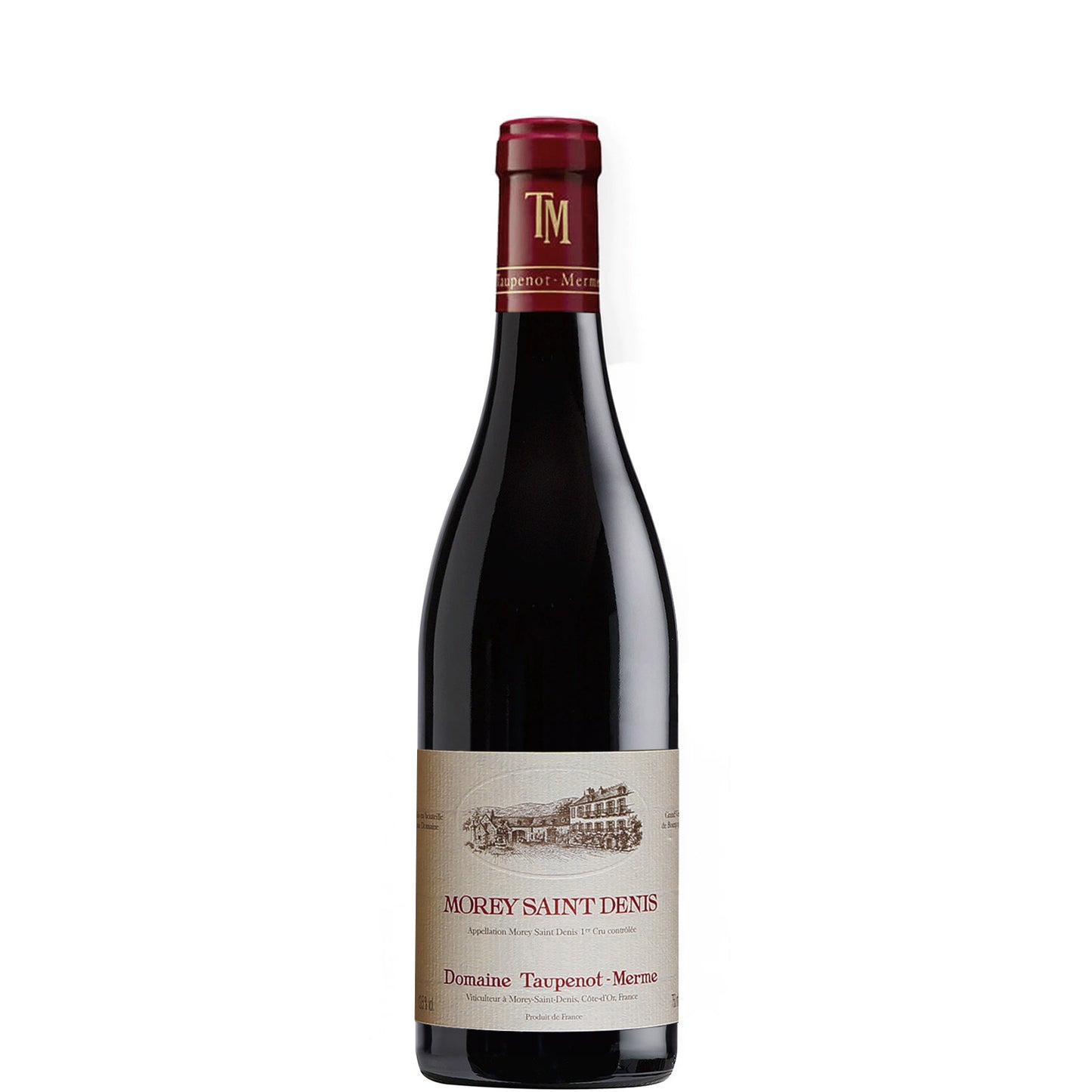
Domaine Taupenot-Merme, Morey-Saint-Denis, 2020
Domaine Taupenot-Merme, Morey-Saint-Denis, 2020
- 75cl
- 13%
- Still Red
- Pinot Noir
Couldn't load pickup availability

Optimal drinking window: 2026 - 2038
Taupenot-Merme is one of those Morey-Saint-Denis addresses that insiders talk about in hushed, slightly possessive tones, and this village-level wine shows exactly why. It's a masterclass in what this unassuming corner of the Côte de Nuits does best: Pinot Noir with real grip and savoury depth, not just pretty red fruit.
The 2020 vintage gave generous, ripe fruit but retained enough freshness to keep things honest in the glass, and here it translates into a wine that's dark-cherried and faintly spiced, with a mineral, slightly rustic backbone that marks it out as proper Morey rather than a Chambolle imitator. Drink it from 2026, though we'd argue it deserves a few more years yet to shed its baby fat and show its stony, savoury side in full. A bottle for those who like their Burgundy with a bit of attitude.
At the time of writing, in 2026, this wine is still settling into itself, with the fruit a touch more forward than the savoury elements that will eventually take centre stage. Over the next three to four years, expect the tannins to soften and integrate, allowing the stony, earthy undertones to emerge more clearly. By the early 2030s, secondary notes of forest floor and dried herbs should start to weave through the fruit, adding real complexity to what is already a thoughtful, structured wine.
Tasting Notes
AppearanceMedium ruby, bright at the rim, with the kind of translucency that hints at finesse rather than power.
NoseRed cherry and redcurrant mingle with crushed stone and a faint whiff of dried herbs. There's a savoury, almost meaty edge beneath the fruit that marks this out as serious Morey.
PalateMedium-bodied with bright acidity and fine, slightly grippy tannins. The fruit is dark and spiced rather than sweet, carried by a mineral, stony thread that runs right through the mid-palate.
FinishLong and savoury, with a lingering note of wild strawberry and wet stone.
Overall impressionA honest, structured Morey-Saint-Denis that rewards a little patience.
Food Pairings
Around Morey-Saint-Denis, this kind of Pinot Noir finds its way onto the table alongside coq au vin or a simple roast chicken with morels when they're in season. Locals would happily pour it with jambon persillé or a wedge of Époisses, though we'd steer clear of anything too pungent that might overpower the wine's subtlety. A dish of braised beef cheeks or even a mushroom risotto would do it justice too, letting that earthy, savoury character shine rather than compete.
We think this wine would go well with
Serve at a cool 15-16°C, slightly below typical room temperature, to keep the fruit fresh and the tannins in check. A short decant of 30 minutes will help if opening young, though it's far from essential. Reach for a Burgundy-style glass with a wide bowl to let that perfumed nose unfurl properly.
Morey-Saint-Denis sits on a band of limestone and marl soils typical of the Côte de Nuits, with the commune's vineyards facing east to catch the morning sun while staying sheltered from the worst afternoon heat. The soils here are often stonier and shallower than in neighbouring Gevrey or Chambolle, which tends to produce wines with a firmer, more structured character. It's a terroir that rewards patience in the glass just as much as in the cellar.
Morey-Saint-Denis is often called Burgundy's best-kept secret, sandwiched as it is between the more famous names of Gevrey-Chambertin and Chambolle-Musigny, yet home to five grand crus of its own. Village-level wines like this one must come from designated parcels within the commune and follow strict Burgundian rules on yield and production, but at this level they offer a genuine, honest expression of place without the grand cru price tag. The style tends to split the difference between Gevrey's muscle and Chambolle's perfume, landing somewhere delightfully in between.
We'll be honest: 2020 in Burgundy was a vintage that kept everyone on their toes. A warm, dry spring brought early budbreak, then summer turned properly scorching with temperatures hitting 40°C in August. The saving grace came from perfectly timed August rains that rescued the vines from serious drought stress, followed by ideal September weather that allowed for unhurried picking. Yields were mercifully normal after several years of frost-ravaged harvests, and crucially, the heat never tipped into the jammy territory that can plague warmer vintages here.
What emerged were wines with surprising freshness despite the heat, showing ripe fruit balanced by good acidity and lovely mineral precision. The reds have more immediate charm than the structured 2019s, with silky tannins and generous Pinot Noir character, whilst the whites display beautiful richness without losing that crystalline Burgundian tension we adore. This isn't a legendary vintage like 2005 or 2010, but it's thoroughly delicious and more approachable in youth than many Burgundy vintages. The village wines are drinking beautifully now, Premier Crus are just hitting their stride, and the Grands Crus will reward patience for another five to ten years.
FAQs
What does this wine taste like?
Red cherry and crushed stone with a savoury, earthy edge and fine, chalky tannins, typical of well-made Morey-Saint-Denis.
When should I drink this wine?
It's approachable from 2026 but will reward cellaring until 2038, gaining savoury complexity along the way.
What food should I pair it with?
Classic Burgundian fare such as coq au vin, roast chicken with morels, or a soft washed-rind cheese like Époisses.
How should I serve this wine?
Serve at 15-16°C in a Burgundy glass, with a short 30-minute decant if drinking young.
Is this wine worth cellaring?
Yes, it has the structure and savoury depth to develop beautifully over the next decade.
How does this compare to neighbouring villages?
Morey-Saint-Denis sits stylistically between the power of Gevrey-Chambertin and the perfume of Chambolle-Musigny, often overlooked but excellent value.
Explore related wines


What are you looking for tonight? Tell me the occasion, a grape, a region — or just try a suggestion below.
Your recommendations will appear here.
-
-
Speak to one of our Wine Gurus
Speak to a Wine GuruWith years of experience, our team can help you with all your wine buying and selling needs