

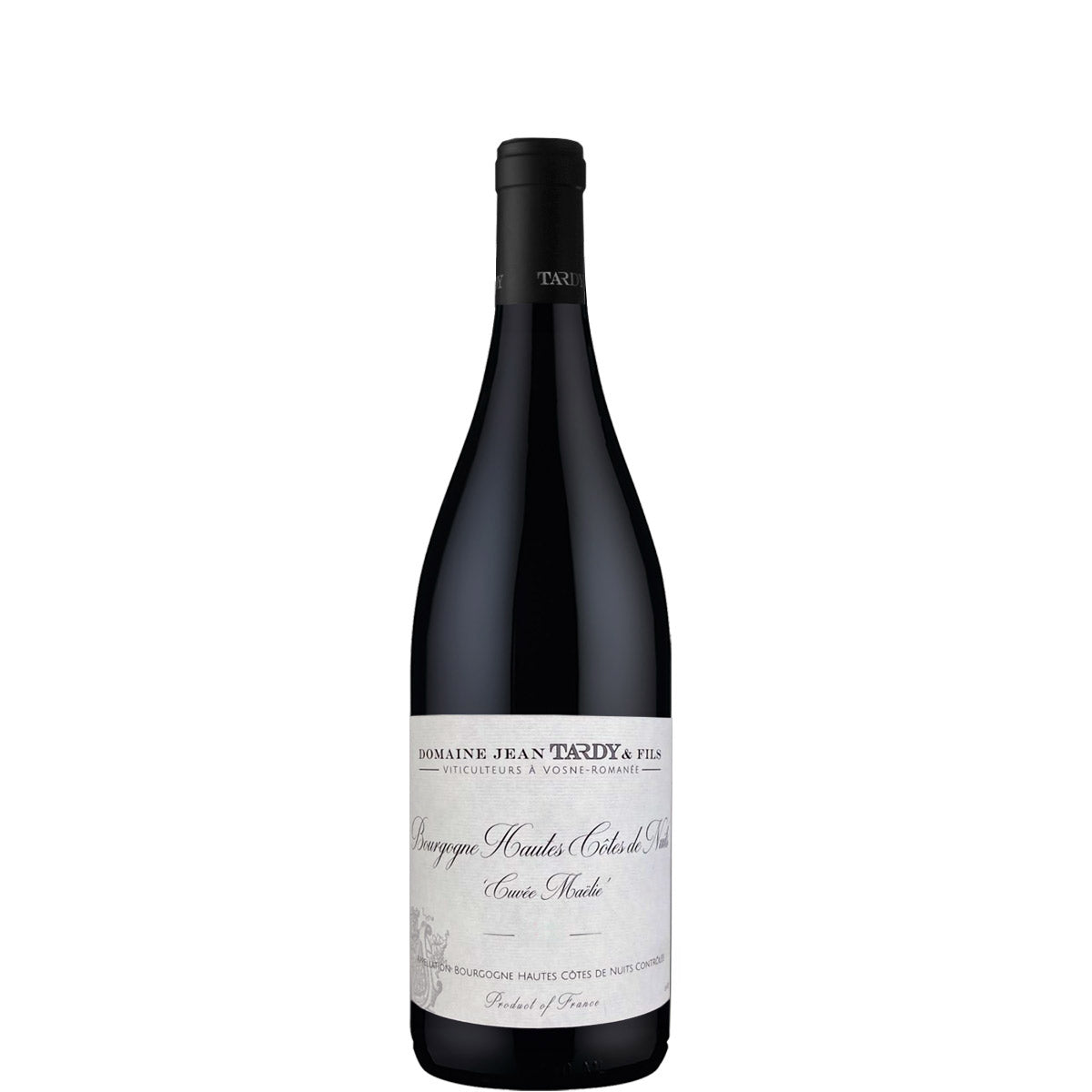
Hautes-Côtes de Nuits Cuvée Maelie, Domaine Jean Tardy et Fils, 2021
Hautes-Côtes de Nuits Cuvée Maelie, Domaine Jean Tardy et Fils, 2021
- 75cl
- 13%
- Red Still
- Pinot Noir
Couldn't load pickup availability

Optimal drinking window: Now - 2030
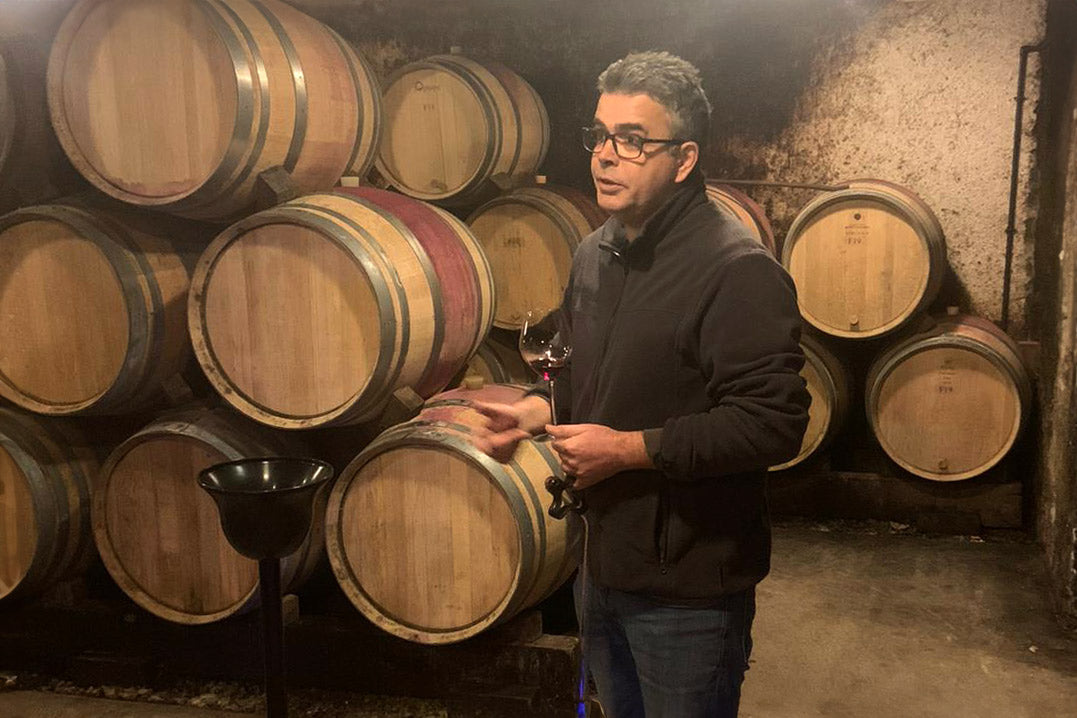
Blink and you’d literally miss Domaine Jean Tardy, an envelope-sized sign by a driveway off the RN74 just outside Vosne Romanée the only indication that you are in the right place.
Unprepossessing as this domaine looks, the wines continue to show plenty of personality and Guillaume does a particularly impressive line in vieilles vignes lieu dits (old vine, single vineyards), which allow him to “avoid making a bad marriage between the wrong parcels”.
The results are always seductive and digestible and compete with premier crus for quality and complexity.
At five years old, the 2021 is in a genuinely lovely spot right now — the primary fruit is still vivid and the structure is supple enough to drink with real pleasure without ceremony. Over the next two to three years, expect the red cherry fruit to deepen slightly and the stony mineral quality to become more pronounced as the primary freshness integrates. This isn't a wine to cellar for a decade, but it won't fall apart either — it should hold its shape comfortably until 2030 and possibly a year or two beyond for bottles kept in good conditions. Drink the majority now and through 2029, saving one or two bottles to revisit when the fruit has settled into something slightly more savoury.
Tasting Notes
AppearanceBright, translucent ruby with a youthful pink rim — classic cool-vintage Pinot.
NoseLifted red cherry and cranberry with a flinty, chalky edge underneath. There's a delicate floral note — dried rose petal — and the kind of forest-floor freshness you associate with wines grown high above the valley. It's pretty without being shy.
PalateLight to medium in body but with real precision — the fruit is focused, the acidity bright and clean, and the tannins fine-grained rather than grippy. Red plum, sour cherry, a lick of spice from the oak, and that characteristic stony mineral pull that the Hautes-Côtes does so well when the vintage cooperates. 2021 absolutely cooperates.
FinishBright and long, with a persistent chalky mineral thread that keeps everything lifted.
Overall impressionA wine that punches well above its appellation, made by someone who knows exactly how good these hillside parcels can be.
Food Pairings
In Burgundy this style of Pinot would appear at the table alongside a simple roast chicken — particularly poulet de Bresse, which the region regards as something close to a religious experience. Oeufs en meurette, eggs poached in red wine with lardons and mushrooms, is a classic Burgundian bistro dish that the wine's acidity and earthy character handles beautifully. A charcuterie board with jambon persillé — the local pressed ham set in herbed aspic — would be entirely at home. Lighter mushroom dishes, whether a risotto or a simple omelette aux cèpes, are natural partners too. The locals wouldn't overthink it.
We think this wine would go well with
Serve at 15–16°C — a touch cooler than a bigger Burgundy, which suits the wine's freshness and lets the red fruit sing rather than sag. A brief 20-minute decant will help open the nose, though it's not strictly necessary at this stage of its life. A standard Burgundy tulip works well; you don't need anything wider than that for a wine of this weight and precision.
The Hautes-Côtes de Nuits sits on a plateau and series of combes behind the main Côte de Nuits escarpment, at altitudes of 300–400 metres — noticeably higher and cooler than the grands crus below. Soils are predominantly limestone and clay, often shallow over hard Jurassic rock, which keeps yields naturally in check and lends the wines a stony, mineral edge. The extra elevation means later ripening and a longer growing season, which preserves freshness and lift that the valley floor can sometimes lack. Jean Tardy's parcels are well-sited within this zone, and in a year like 2021 the altitude works in the wine's favour.
Hautes-Côtes de Nuits is the appellation that sits, literally, above the Côte de Nuits — the villages and grand cru belt running from Marsannay down to Nuits-Saint-Georges. It covers a scattering of villages on the plateau and in the valleys that cut back into the hills, and can produce Pinot Noir and Chardonnay. Historically treated as something of a poor relation to its more famous neighbours, quality here has risen sharply as growers have taken it more seriously and as cooler vintages have levelled the playing field. At its best, it offers genuine Côte de Nuits character — red fruits, chalk, nervous energy — at a fraction of the price of a premier cru.
The 2021 growing season in Burgundy started badly and got worse before pulling off one of wine's great escapes. Spring frost in April devastated vineyards across the Côte d'Or, followed by a summer that alternated between biblical downpours and scorching heat. Many producers lost 50% or more of their crop to the frost alone, then watched hail batter what remained in some unlucky villages. By August, with rot creeping through rain-soaked vineyards, even the most optimistic vignerons were writing off the vintage.
What emerged from this chaos surprised everyone: wines with remarkable freshness and purity, if you can find them. The tiny yields meant those grapes that survived were intensely concentrated, while the September sunshine saved the day with perfect ripening conditions. We find the reds show beautiful fruit clarity without heaviness, drinking with an immediacy that makes them irresistible now but promising a decade or more of evolution. The whites are particularly stunning, with a mineral intensity that cuts through their richness. Yes, there's not much 2021 Burgundy about, and yes, it's expensive, but this is one of those vintages where disaster bred greatness.
FAQs
What does this wine taste like?
Think red cherry, cranberry, and dried rose petal with a flinty, chalky mineral edge and clean, bright acidity. It's light to medium in body — precise and focused rather than rich — with fine-grained tannins and a long mineral finish. Very much the cool, lifted side of Burgundy.
When should I drink this wine?
It's drinking very well right now in 2026, with vibrant fruit and a supple structure that needs no waiting. We'd drink most of it over the next three years, though well-stored bottles should hold until around 2030.
Is this worth cellaring?
It's not a wine built for long ageing, but it has more structure than you might expect from the appellation. A few years in the cellar will round off the edges and allow a little more savoury complexity to emerge. Don't push it much past 2030.
What food should I pair it with?
Roast chicken is the classic, but it's also brilliant with omelettes, mushroom dishes, lighter charcuterie like jambon persillé, or a simple Burgundian oeufs en meurette. It's a genuinely versatile table wine — the kind you open mid-week without a second thought.
How should I serve it?
Serve at around 15–16°C — slightly cooler than a weightier red Burgundy. A short 20-minute decant is helpful but not essential. A standard Burgundy tulip glass works perfectly.
How does this compare to Jean Tardy's village and premier cru wines?
It shares the same house style — precision, digestibility, and real personality — but at a more approachable price point. Guillaume Tardy treats his Hautes-Côtes fruit with the same care as his lieu-dit and premier cru parcels, which is exactly why it competes above its appellation weight class.
Explore related wines


What are you looking for tonight? Tell me the occasion, a grape, a region — or just try a suggestion below.
Your recommendations will appear here.
-
-
Speak to one of our Wine Gurus
Speak to a Wine GuruWith years of experience, our team can help you with all your wine buying and selling needs