

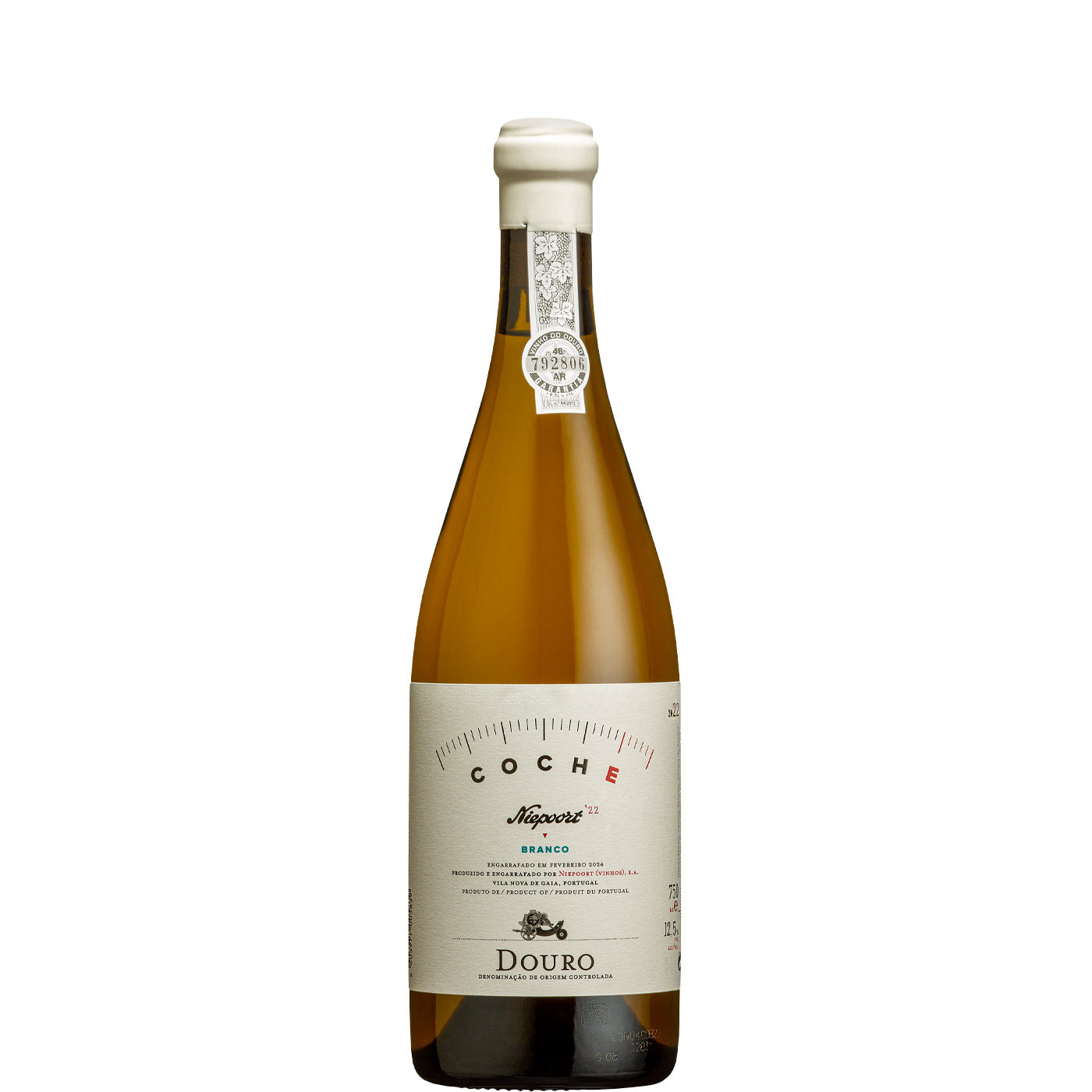
Niepoort, Coche Branco, Douro, 2024
Niepoort, Coche Branco, Douro, 2024
- 75cl
- 13%
- White Still
- Rabigato, Viosinho, Gouveio, Arinto
- Organic
- Biodynamic
Couldn't load pickup availability

Optimal drinking window: 2026 - 2038
Dirk Niepoort is the sort of producer who makes you rethink everything you thought you knew about a region. The Douro built its name on Port and big, brooding reds, but Niepoort has been quietly insisting for decades that its indigenous white grapes deserve equal billing. Coche Branco is the proof. Blended from old-vine Rabigato, Viosinho, Gouveio, and Arinto grown on schist-dominated slopes, it is lean, stony, and vivid in a way that genuinely surprises people who come expecting something richer.
The 2024 has real energy to it. White peach, a squeeze of citrus, and a cool saline thread that runs right through to the finish. There is no oak in sight, which is exactly the right call. Drink it from now until 2030, ideally alongside something from the sea.
What the critics say:
"The 2024 Coche has the unmistaken nose of lees, toasted sesame seeds and flint that made it world famous. They added a new vineyard this year, an 80-year-old plot they have been following since 2021—it was part of the Redoma Reserva—and it increased the volume a little. This is the largest production to date; the increase was only 600 liters, so 8,600 liters in total. The quality has not suffered; it's quite consistent, with the reductive and salty profile (pH is 3.04 and has close to seven grams of acidity) with notes of tangerine peel, which is a giveaway for this cuvée—tangerine dream, they called it—it's fine and unctuous, not bitter. It has 13% alcohol, which finishes to define the balance, which is superb. As with the Redoma Reserva Branco, they tried 500-liter barrels and didn't like them; so, since 2023, it fermented and matured exclusively in 228-liter barrels, only 20% new, each year less. They like the second and third year in these barrels. This year, the wine spent one year and a few months in stainless steel to let it decant and to avoid fining or filtering. This is super tasty, dry and salty, and it should age nicely. 11,400 bottles produced. It was bottled in February 2026."
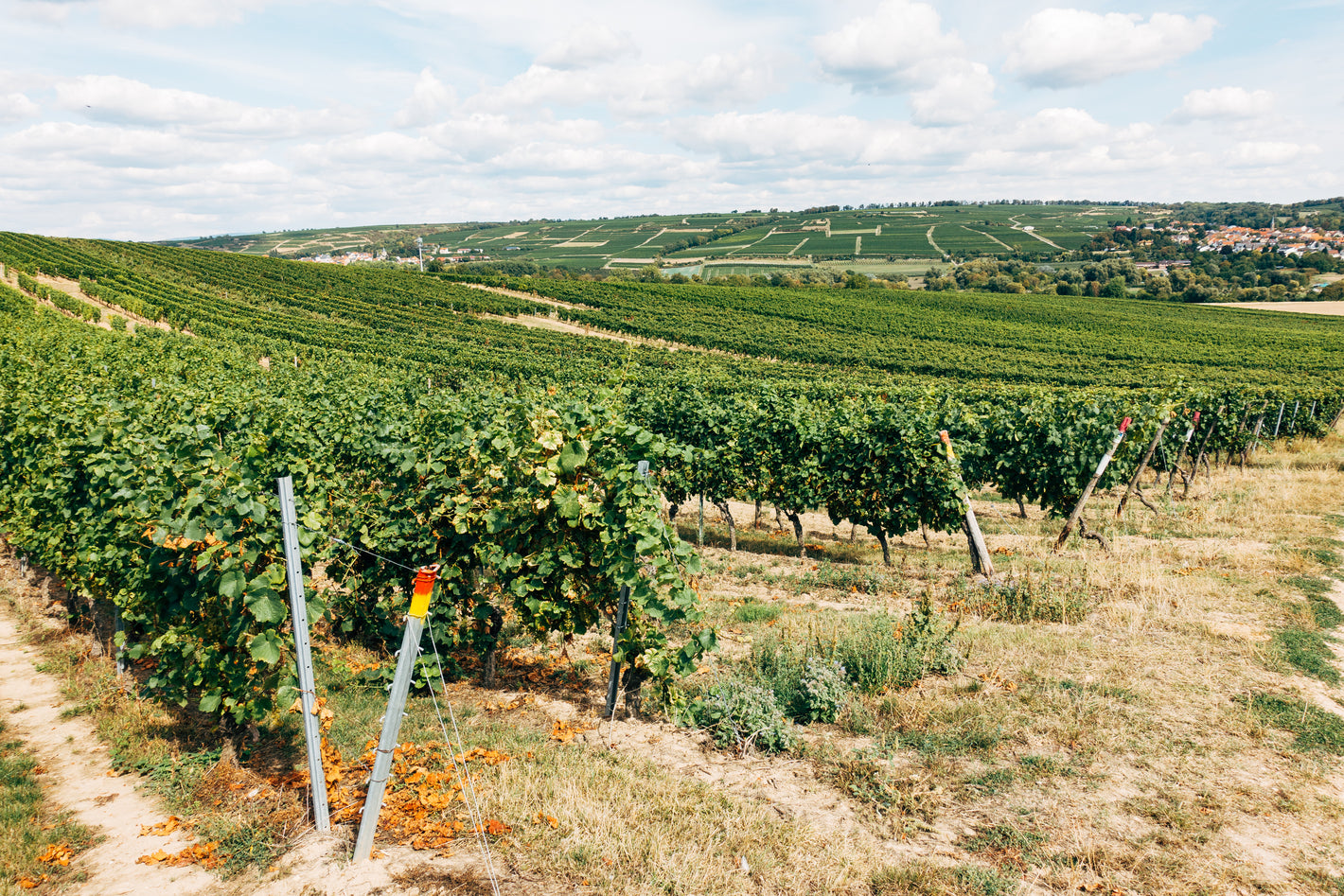
The Coche Branco grapes come from old vines on the schist-heavy soils of the Douro Superior and Cima Corgo subregions, planted at altitude to temper the valley's fierce summer heat. Schist retains warmth overnight and drains rapidly, pushing roots deep in search of water and concentrating the vine's energy. The result is wines of precision rather than weight, with a stony, almost saline quality that sets Douro whites apart from almost anywhere else in Portugal.
The Douro DOC covers one of the world's most dramatic and ancient wine regions, a steep, terraced valley carved out of granite and schist in northeastern Portugal. It is best known internationally for Port, but its table wine classification has been gaining serious traction since the 1990s. Whites made here from indigenous varieties like Rabigato, Viosinho, and Gouveio can have a mineral intensity and freshness that rivals northern Portugal's Vinho Verde and Dão counterparts, though they tend to carry more body and texture. The region sits inland, protected from Atlantic influence, with summers that are genuinely brutal and winters that are cold enough to matter.
The 2024 Douro vintage caught everyone off guard with its sheer quality after a growing season that had producers biting their nails. Spring brought welcome rainfall after years of drought, filling the reservoirs and giving the vines a proper drink, but summer turned scorching with several brutal heat waves that had even the most experienced quintas wondering if they'd lost their fruit. What saved the day was the diurnal temperature variation – those cool nights in the schist amphitheatres allowed the grapes to retain their freshness whilst still achieving full ripeness, and many producers report some of the cleanest, healthiest fruit they've seen in years.
We're tasting wines with real backbone and precision rather than the overripe jamminess that heat can bring – the Touriga Nacional shows particular promise with its combination of power and restraint, whilst the old-vine Touriga Franca delivers some genuinely exciting aromatics. The reds have structure to burn and will reward cellaring, though the more approachable quintas are already drinking beautifully if you fancy a preview. For drinking: the lighter styles until 2030, the serious estate bottlings from 2028 onwards and likely until 2040.



-
-
Speak to one of our Wine Gurus
Speak to a Wine GuruWith years of experience, our team can help you with all your wine buying and selling needs