

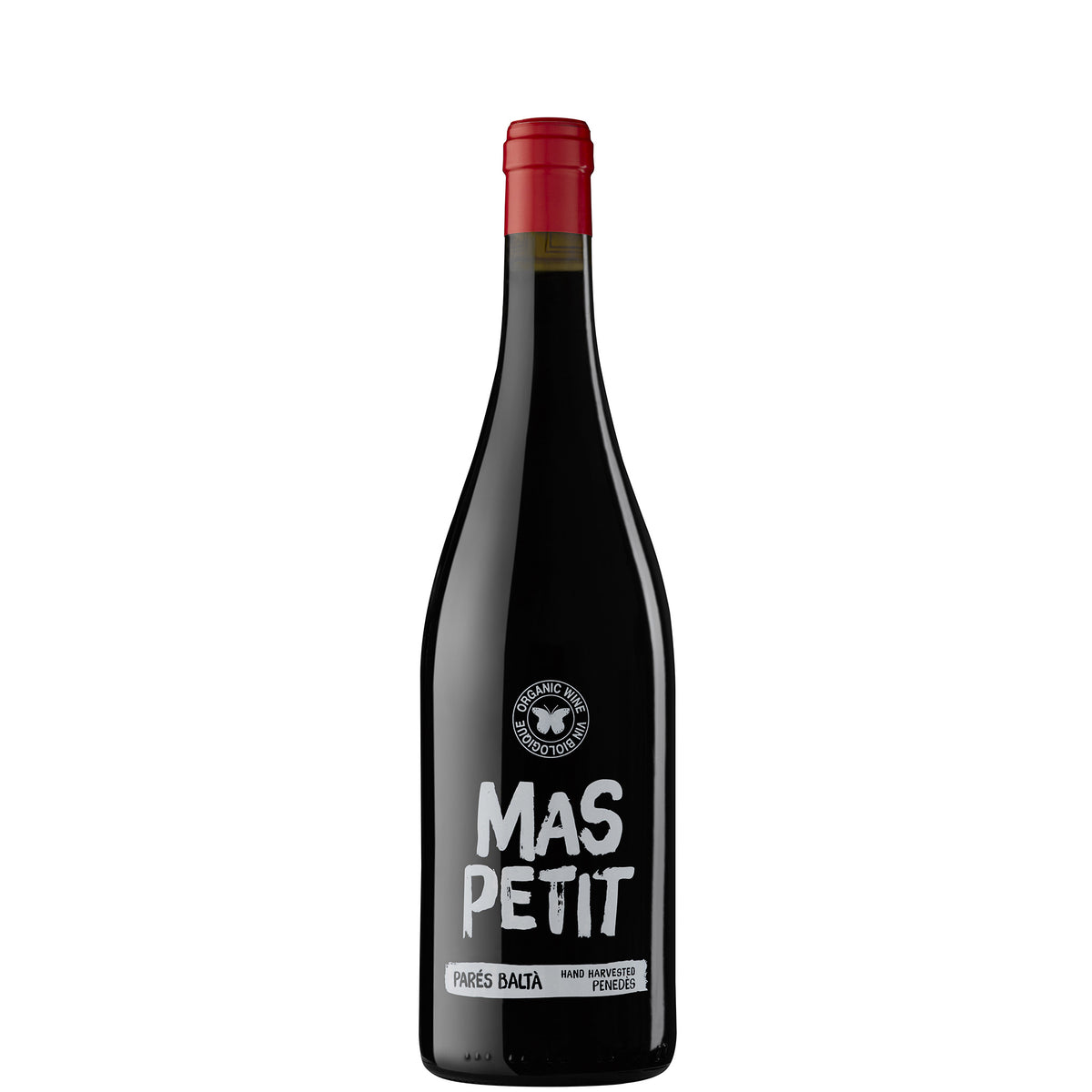
Parés Baltà, Mas Petit, 2025
Parés Baltà, Mas Petit, 2025
- 75cl
- 12.5%
- Red Still
- Cabernet Sauvignon, Garnacha
- Organic
- Biodynamic
- Vegetarian
- Vegan
Couldn't load pickup availability

Optimal drinking window: 2026 - 2030
Parés Baltà is one of Penedès's most respected organic estates, and Mas Petit is their everyday red done properly. A blend of old-vine Cabernet Sauvignon and Garnatxa, it ferments in stainless steel to keep the fruit vivid, then spends seven months in well-used French oak, fourth-fill at most, so the wood adds texture without shouting. The result is a medium-bodied red with real personality: dark garnet in the glass, with blackberry, black olive, smoke, and dried herbs on the nose, and a palate that delivers pepper spice alongside the fruit before signing off on dusty, earthy tannins.
This is exactly the kind of wine you want on a weeknight when something interesting is on the grill. Chargrilled lamb chops, smoky aubergine, or anything with a char to it will find a willing partner here.
At just a year old, the 2025 is already drinking with real confidence — the fruit is front and centre, the oak well-integrated, and the tannins soft enough not to need much waiting. Over the next two to three years the blackberry fruit will deepen slightly and the earthy, herbal notes will become more prominent. It will probably hit its sweet spot somewhere around 2027-2028.
Tasting Notes
AppearanceDeep, dark garnet with a youthful purple edge.
NoseBlackberry and black olive lead, followed by smoke, dried thyme, and a warm lick of vanilla from the oak. There's a quiet earthiness underneath that adds intrigue without weight.
PalateMedium-bodied and soft in texture, with blackberry fruit upfront and a satisfying kick of black pepper spice mid-palate. The oak integration is subtle — you get structure and a gentle creaminess rather than any obvious wood flavour.
FinishDusty tannins carry the fruit and spice through to a quietly earthy close that lingers pleasantly.
Overall impressionA genuinely satisfying everyday red with enough personality to hold your attention glass after glass.
Food Pairings
In Catalonia, a red like this would most naturally land on the table alongside carn a la brasa — meat grilled over vine cuttings, which is practically a local religion. Lamb chops with romesco sauce would be the obvious call, but botifarra negra (Catalan black sausage) with white beans is equally good. Escalivada, the smoky roasted pepper and aubergine dish, mirrors the wine's own smoky, herbal character almost uncannily. Further into the region's interior, you'd find it alongside a slow-cooked fricandó — a Catalan veal and mushroom stew — which suits the wine's earthy depth very well.
We think this wine would go well with
Serve at around 16-17°C — cool enough to keep the fruit fresh, warm enough to let the spice open up. A 20-30 minute decant is worthwhile; it softens the tannins and lets the nose expand beyond its initial smokiness. A standard Bordeaux-shaped glass works well here, giving the fruit enough room to breathe without losing the wine's natural warmth.
Parés Baltà's vineyards sit in the Alt Penedès, at elevations between 200 and 400 metres above sea level, where warm Mediterranean days are tempered by cool Atlantic-influenced nights. The soils are predominantly limestone and clay, which hold moisture through the dry summers and give the wines their characteristic earthy backbone. Old vines here dig deep into the rock, concentrating flavour without the need for irrigation. That combination of altitude, diurnal range, and well-drained soils is what keeps the fruit lifted rather than jammy.
Penedès DO sits inland from Barcelona in Catalonia and has long been better known for Cava production than still red wine — though that undersells the region's range considerably. It permits both indigenous varieties like Garnatxa and Macabeu alongside international grapes such as Cabernet Sauvignon and Chardonnay, giving producers real flexibility. The altitude variation across the DO means styles range from full-bodied and sun-drenched at lower elevations to fresher and more structured higher up. It remains one of Spain's most progressive appellations, not least because of the number of serious organic and biodynamic estates operating here.
The 2025 vintage in Catalonia is, frankly, too recent for us to give you a definitive read with the confidence it deserves — harvest was only completed in autumn 2024 for the 2024s, and 2025 wines are still finding their feet in barrel and bottle as we write this. What we can say is that the broader climatic pattern across north-east Spain has continued the trend of earlier harvests and concentrated fruit driven by hot, dry summers punctuated by critical late-season rainfall. Garnacha and Cariñena, the backbone of Priorat and Montsant, tend to thrive when water stress is managed well; where yields were kept in check, the results look promising.
We will update this note properly once we have tasted more widely across the appellation and growers start releasing. For now, the 2022s and 2023s from Catalonia are drinking superbly and represent the safer bet if you want something in the glass tonight rather than in the cellar. Watch this space — we take vintage accuracy seriously enough not to fill it with educated guesswork dressed up as fact.
FAQs
What does Mas Petit taste like?
Dark and spiced, with blackberry, black olive, smoke, and dried herbs on the nose. On the palate it's medium-bodied and soft, with pepper spice and earthy, dusty tannins on the finish. Think Mediterranean rather than heavy.
When should I drink this wine?
It's drinking well right now and will continue to do so until around 2029-2030. This isn't a wine that needs cellaring — the fruit is the point, and it's at its most vivid in the next few years.
What food should I serve it with?
It was made for the grill. Chargrilled lamb chops, smoky barbecue dishes, and roasted Mediterranean vegetables are all natural fits. The black olive and herb character also makes it a surprisingly good match for anything with romesco sauce or slow-cooked pulses.
How should I serve it?
Around 16-17°C is ideal. Give it a 20-30 minute decant if you have time — it opens up the nose considerably and softens the tannins. A standard Bordeaux glass does the job well.
Is this wine organic?
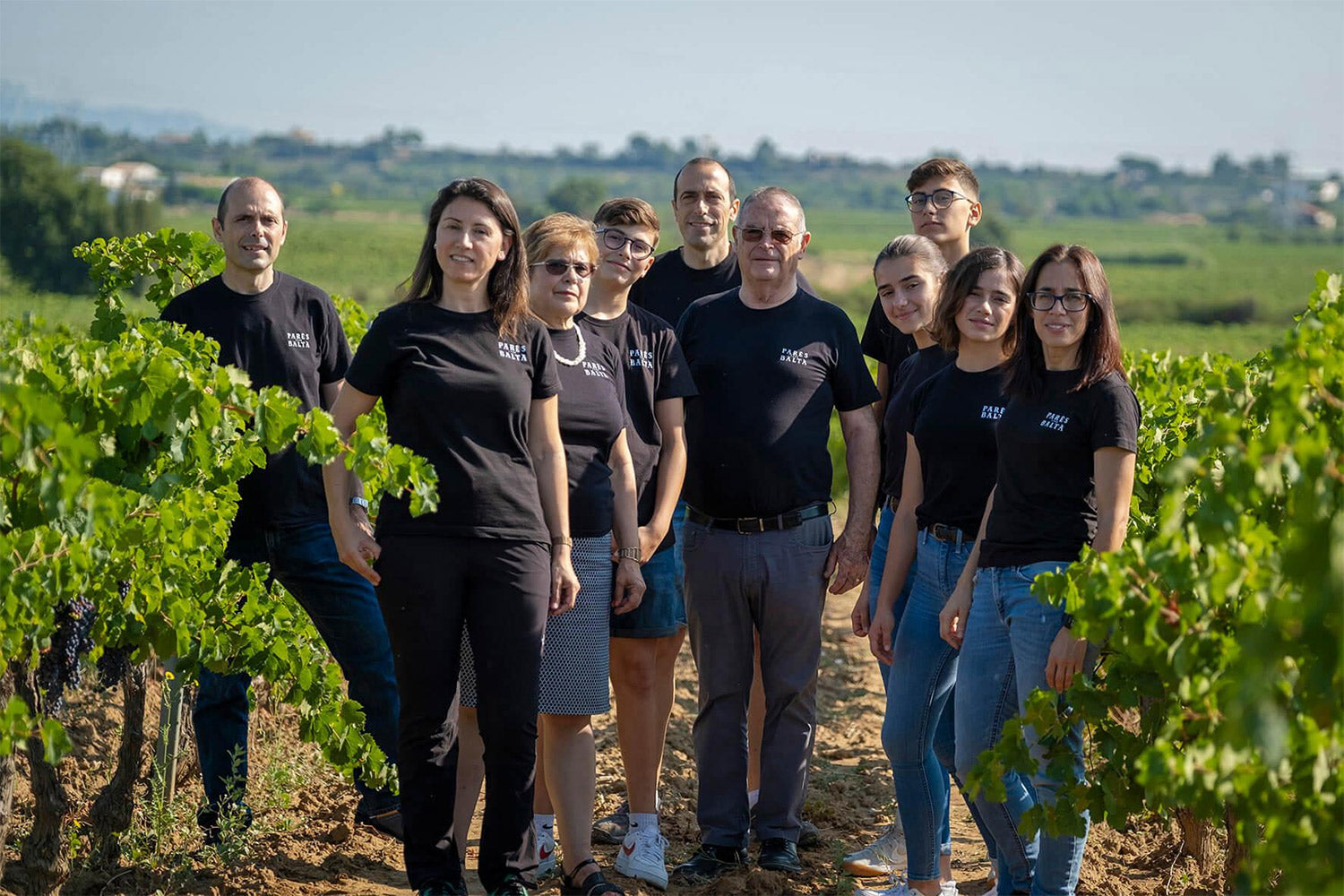
Yes. Parés Baltà farms biodynamically and holds organic certification from the CCPAE, the Catalan organic farming authority. It's one of the more serious organic estates in the Penedès.
What makes Parés Baltà worth choosing over other Penedès producers?
Penedès is still better known for Cava than still red wine, which means genuinely committed producers like Parés Baltà tend to fly under the radar. Their biodynamic farming, old vines, and restrained approach to oak put them in a different category from the region's more commercial offerings — and the prices haven't caught up with the quality yet.
Explore related wines


What are you looking for tonight? Tell me the occasion, a grape, a region — or just try a suggestion below.
Your recommendations will appear here.
-
-
Speak to one of our Wine Gurus
Speak to a Wine GuruWith years of experience, our team can help you with all your wine buying and selling needs