

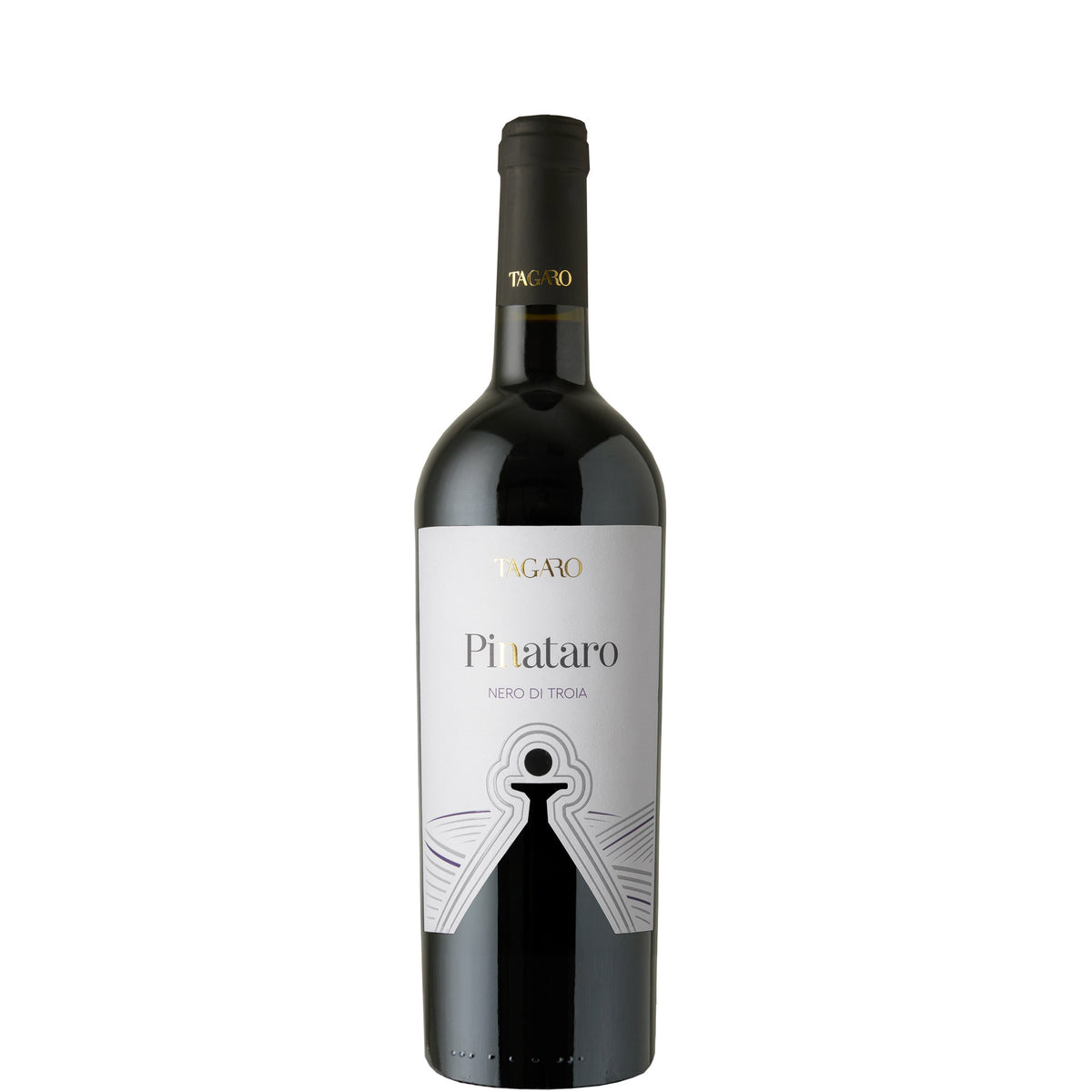
Tagaro, Pinataro Nero di Troia, 2023
Tagaro, Pinataro Nero di Troia, 2023
- 75cl
- 13%
- Red Still
- Nero di Troia
Couldn't load pickup availability

Optimal drinking window: 2026 - 2030
Nero di Troia is one of southern Italy's great under-the-radar grapes: deeply coloured, structured, and with a character all its own. Tagaro's Pinataro, from Puglia, is a fine example of what makes the variety worth seeking out: dark berry fruit, a lift of violet, ripe but gripping tannins, and a savoury, slightly spiced quality that stops it ever feeling soft or simple. There's real substance here without heaviness, and a freshness that keeps everything moving.
We'd drink this now with something off the grill, or alongside a slow-cooked ragu.
At just three years old, the 2023 is in its primary phase and drinking very well right now, with fruit that is vivid and generous. Over the next two to three years the tannins will soften further and integrate more seamlessly with the fruit, adding a little extra roundness and ease. By 2028 or so we'd expect the wine to be at its most complete, with the savoury, spiced qualities becoming more prominent as the primary fruit settles. Beyond 2030, it may begin to lose some of its freshness and fruit intensity, so we wouldn't push it much further than that.
Tasting Notes
AppearanceDeep ruby-purple, dense and youthful with very little sign of any lightening at the rim.
NoseDark cherry and ripe plum up front, with a pretty violet lift that is characteristic of the grape. There's a subtle suggestion of warm spice and dried herbs underneath, giving it a distinctly southern Italian feel without tipping into anything rustic.
PalateRipe and generous, with juicy black cherry and plum fruit and tannins that are firm but not aggressive. A savoury, almost earthy quality runs through the mid-palate and keeps the wine grounded, while there's enough freshness on the back end to stop the richness from feeling heavy.
FinishMedium-long, with a lingering spiced and slightly mineral persistence that is the wine's most characterful moment.
Overall impressionA genuinely satisfying, food-ready red that punches well above its price point and makes a strong case for Nero di Troia beyond Italy's borders.
Food Pairings
In Puglia, this kind of wine would find its natural home alongside orecchiette al ragu di braciole — the region's beloved rolled beef ragu that slow-cooks for hours until the sauce is deeply savoury and the pasta is stained dark with it. Grilled lamb chops seasoned with nothing more than rosemary, garlic, and olive oil are another classic match, as is tiella di riso, patate e cozze, the Puglian baked rice and mussel dish that might sound like an odd pairing but works beautifully with a red that has real backbone. Aged Canestrato Pugliese cheese, firm and sharp, also holds its own against the wine's tannins and spice.
We think this wine would go well with
Serve at around 16-17°C — cool enough to keep the freshness alive, warm enough to let the fruit open up. A 20-30 minute decant will help if you're opening it straight from the cellar; it's not a wine that demands a long wait to breathe, but it does open up noticeably with a bit of air. A standard Bordeaux-style glass works well here, giving the wine enough space to show its aromatic lift without losing the concentration on the palate.
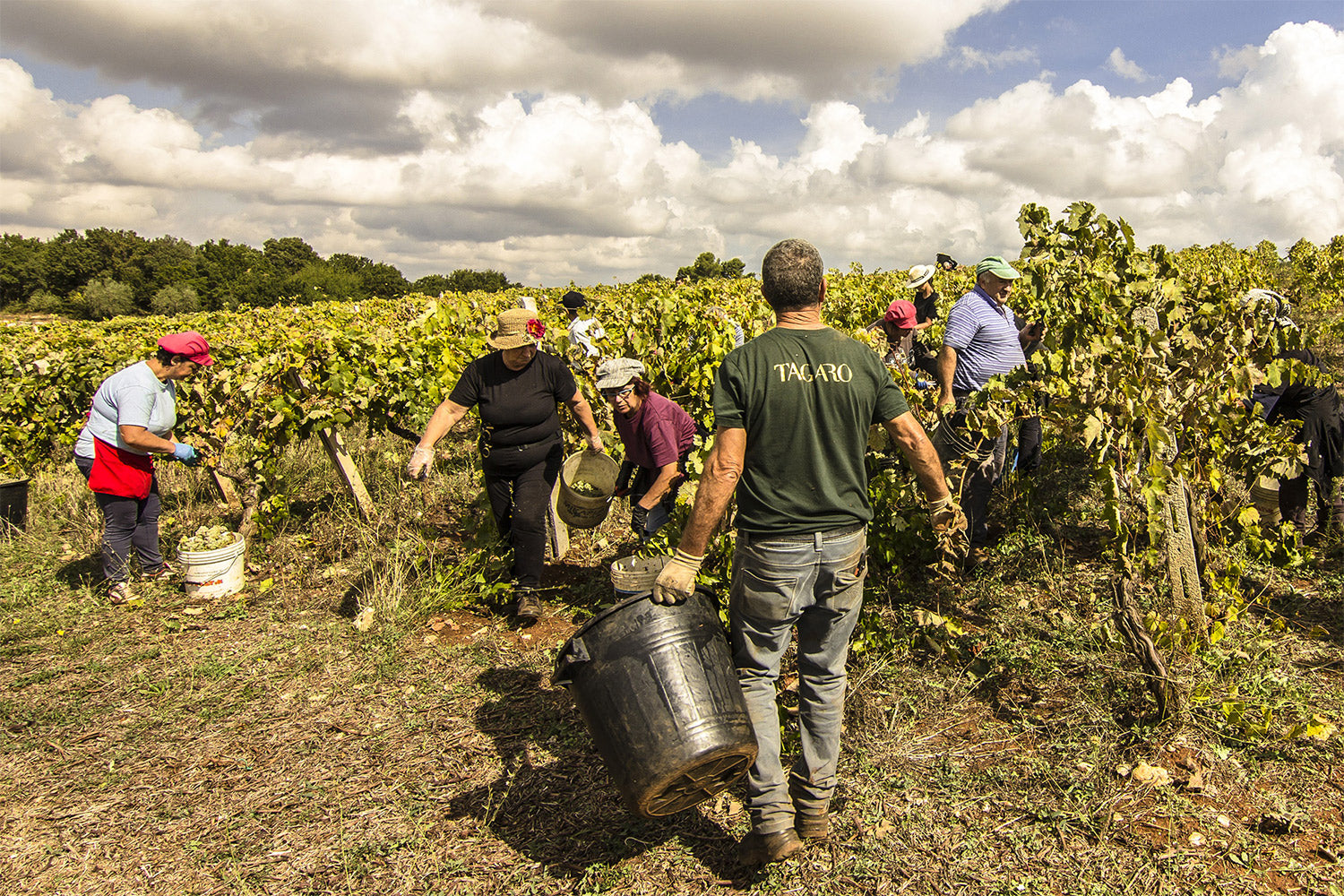
Puglia's vineyards sit in one of Italy's sunniest and driest regions, with calcareous clay and limestone soils that retain just enough moisture to keep vines from struggling through the long, hot summers. The heat ripens Nero di Troia's thick skins fully, contributing to its deep colour and generous fruit, while the soils lend a mineral backbone and the savoury edge that defines the variety at its best. Coastal breezes from the Adriatic provide crucial cooling during the growing season, preserving acidity and keeping alcohol in check.
Nero di Troia is native to the Puglia region in the heel of Italy's boot, and while it appears in several DOC designations across the area — including Castel del Monte Nero di Troia Riserva DOC and Offida — it is increasingly bottled as a varietal wine under the broader Puglia IGT, which allows producers more flexibility in style and expression. The variety has historically been used as a blending component to add colour and structure, but a growing number of producers are now giving it star billing, and rightly so. It sits in interesting tension with Puglia's more famous Primitivo and Negroamaro: less opulent than the former, less rustic than the latter, and with a floral, structured character that is entirely its own.
FAQs
What does Tagaro's Pinataro Nero di Troia taste like?
Dark cherry, plum, and a lift of violet on the nose, with ripe but structured tannins on the palate, juicy fruit, and a savoury, spiced edge on the finish. It's generous without being heavy, and has enough freshness to keep it interesting from first glass to last.
When should I drink this wine?
It's drinking well right now and will continue to do so until around 2030. There's no great advantage to cellaring it for years — the pleasure is very much in the present, especially alongside food.
What food should I pair with this wine?
Grilled meats are the obvious match — lamb, beef, or pork all work well. Slow-cooked ragu with pasta is another natural pairing, as is a proper pizza on a Friday night. The wine's savoury edge also makes it a good partner for aged hard cheeses.
How should I serve it?
Aim for around 16-17°C and give it a short decant of 20-30 minutes if you can. A standard large red wine glass is ideal. Avoid serving it too warm, or the alcohol will push forward at the expense of the fruit and freshness.
Is Nero di Troia a grape I should know about?
Absolutely. It's one of Puglia's finest indigenous varieties and one that is increasingly getting the attention it deserves. It sits in interesting territory — more structured and floral than Primitivo, more refined than Negroamaro — and makes wines with real character and food-friendliness. Tagaro's Pinataro is a good place to start.
Explore related wines


What are you looking for tonight? Tell me the occasion, a grape, a region — or just try a suggestion below.
Your recommendations will appear here.
-
-
Speak to one of our Wine Gurus
Speak to a Wine GuruWith years of experience, our team can help you with all your wine buying and selling needs