

Tagaro, Pinataro Primitivo, 2025
Tagaro, Pinataro Primitivo, 2025
- 75cl
- 13%
- Red Still
- Primitivo
Couldn't load pickup availability

Optimal drinking window: 2026 - 2030
A generous, fruit-filled Primitivo from Puglia, showing exactly why this southern Italian grape has such a following. Expect ripe blackberry, plum and black cherry, with hints of spice and liquorice. The palate is full-bodied and fleshy, with soft, rounded tannins and a long, warming finish. A little time in oak adds depth without masking the fruit.
Made for slow-cooked beef, barbecued meats, rich tomato-based pasta or mature cheeses.
This is a wine made to be drunk young, and right now it is at its best. The bright primary fruit is front and centre and there is no reason to wait. Over the next three to four years it will remain very pleasurable.
Tasting Notes
AppearanceDeep, vivid ruby with a youthful purple edge and good density in the glass.
NoseRipe and inviting from the off: blackberry and black cherry with a layer of dried plum and a gentle waft of liquorice and sweet spice. There is a herbal edge underneath, the kind of wild scrub you find across the Puglian countryside, that keeps it from feeling overblown.
PalateSmooth and medium to full in body, with juicy dark fruit front and centre and tannins soft enough to drink now without a second thought. The balance is the thing here: generous without being heavy, ripe without being jammy.
FinishA kick of black pepper closes things out cleanly, leaving you reaching for another glass rather than a notebook.
Overall impressionExactly what a good southern Italian red should be: honest, fruit-driven, and built for the table.
Food Pairings
In Puglia, this style of Primitivo is almost always on the table alongside food rather than without it. Locals would reach for orecchiette al ragù, the slow-cooked lamb or pork sauce that is a regional staple, or a plate of grilled salsiccia with roasted peppers straight from the wood-fired oven. Focaccia barese, thick and olive oil-soaked, is another natural companion, as is a wedge of aged Pecorino or Canestrato Pugliese. On a summer evening in the Valle d'Itria, you might find it alongside a simple bruschetta rubbed with garlic and the local Coratina olive oil, which needs very little else.
We think this wine would go well with
Serve at around 16 to 17 degrees Celsius; any warmer and the fruit starts to feel heavy rather than generous. This does not need decanting, though pouring it fifteen minutes before you sit down does no harm at all. A standard red wine glass with a broad bowl works well and lets the fruit open up without fuss.
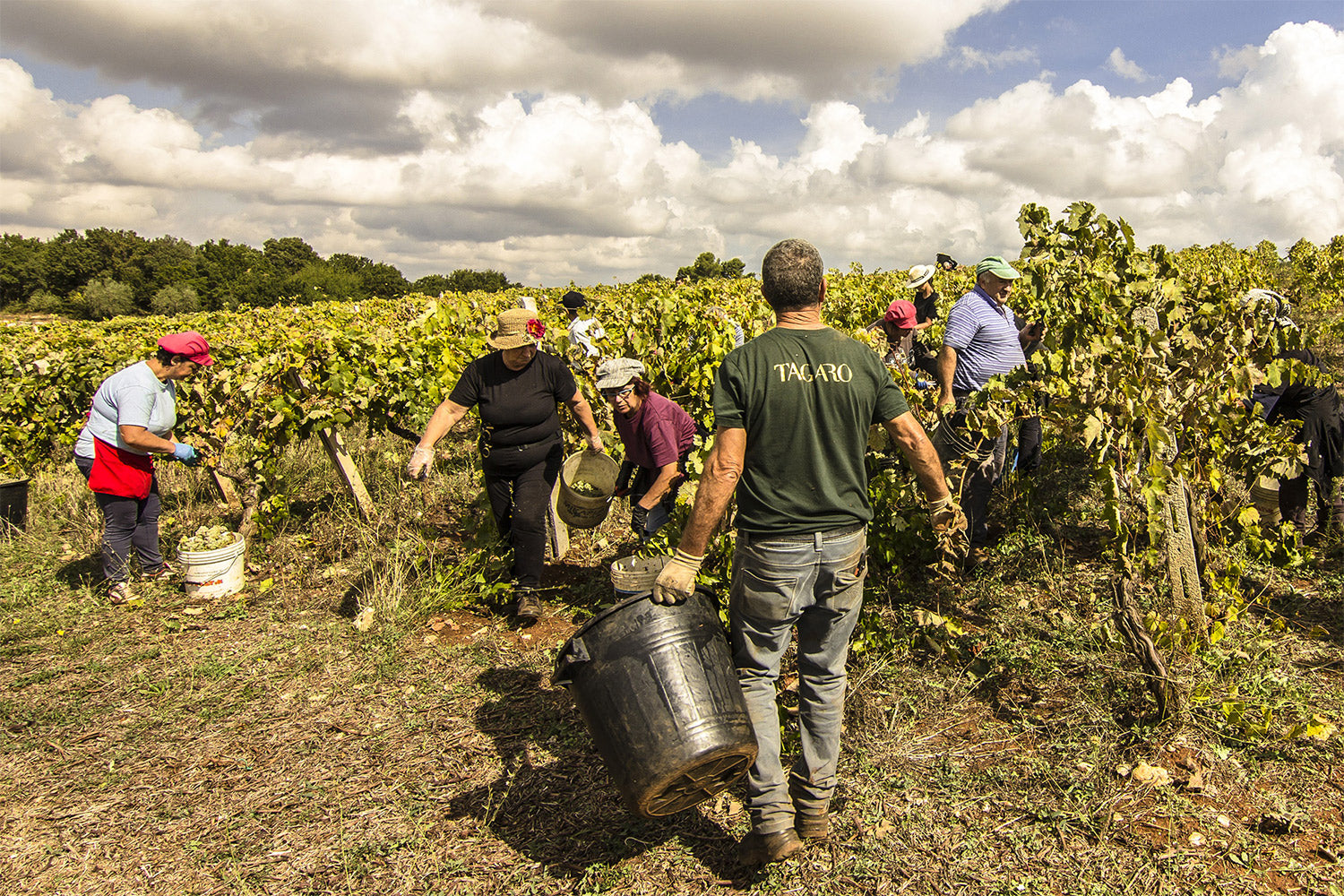
Valle d'Itria sits on the Murge plateau in the heart of Puglia, a limestone karst landscape that moderates the fierce southern heat and gives the wines more freshness and lift than you'd expect from this latitude. The soils are thin and stony over calcareous bedrock, which stresses the vines naturally and concentrates flavour without sacrificing balance. Altitude and sea breezes from both the Adriatic and Ionian coasts keep nights cool enough to preserve the bright fruit character that makes this Primitivo so approachable.
Primitivo grown in Puglia is typically sold under the IGT Puglia or Salento designation, a broad but useful category that gives producers the flexibility to work across the region without the stricter constraints of the DOC zones. The most celebrated Primitivo appellations are DOC Primitivo di Manduria to the south and DOC Gioia del Colle further north, but Valle d'Itria producers often favour the IGT route to preserve freshness and site character. The grape itself is genetically identical to Zinfandel, a fact that tends to surprise people, and shares that variety's naturally high sugar potential and generous fruit profile.
The 2025 harvest in Puglia is still settling into the conversation — too recent for the full picture to have emerged, and we'll be honest with you about that. What we do know is that the region has been managing increasingly extreme summer heat for several years now, and growers who have invested in earlier picking, better canopy management, and altitude or coastal positioning have consistently produced wines with more freshness and structural grip than the old stereotype of baked, overblown Primitivo or Negroamaro ever suggested. Whether 2025 follows the pattern of the better recent vintages depends on how spring and the critical August period played out — and that granular detail is still coming through from producers on the ground.
What we can say is that Puglia's best wines no longer need a vintage excuse. The grape varieties here — Primitivo, Negroamaro, Nero di Troia — respond well to careful viticulture, and the generational shift in winemaking across Salento and the Murgia plateau means that even in a difficult year, quality-conscious estates tend to find something worth bottling. Wines from the better producers should be drinking well now through the early 2030s, with the more structured Primitivo di Manduria and Castel del Monte reds rewarding a little patience. We'll update this note as harvest reports mature.
FAQs
What does this Primitivo taste like?
Ripe and generous, with blackberry, dark cherry, and plum at its core, backed by a touch of sweet spice, liquorice, and a peppery finish. Smooth tannins and good freshness keep it lively rather than heavy.
When should I drink it?
It is ready now and drinking very well in 2026. We would enjoy it over the next three to four years, until around 2030, while the fruit is still vibrant and inviting.
What food works well with it?
It is a natural partner for wood-fired pizza, grilled sausages, slow-cooked ragù, and aged Pecorino. Anything from the grill or a long-simmered pot will suit it well.
How should I serve it?
Serve at around 16 to 17 degrees Celsius, a little cooler than room temperature in a warm kitchen. No need to decant, though a few minutes in the glass does help it open up.
Is it worth cellaring?
Not particularly. This is made for pleasure now, not patience. The fresh, fruit-driven character is the point, and it will be at its peak over the next two to three years.
What makes Valle d'Itria Primitivo different from other Puglian Primitivo?
The elevated limestone plateau of Valle d'Itria brings cooler temperatures and better acidity than the hotter coastal zones, which means the wines tend to have more freshness and lift. It is still generous and fruit-forward, but with a little more balance than you sometimes find further south.



What are you looking for tonight? Tell me the occasion, a grape, a region — or just try a suggestion below.
Your recommendations will appear here.
-
-
Speak to one of our Wine Gurus
Speak to a Wine GuruWith years of experience, our team can help you with all your wine buying and selling needs