

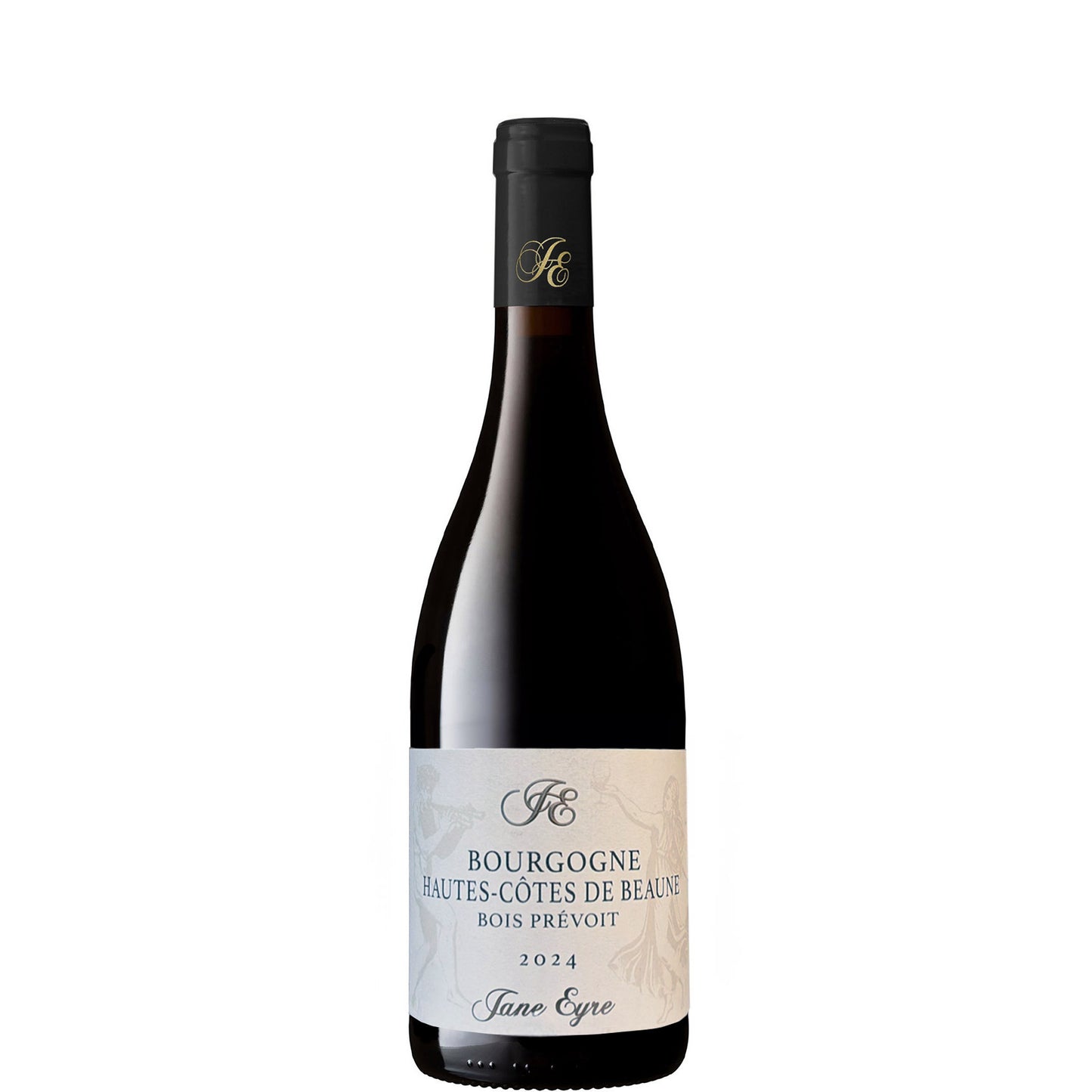
Bourgogne Hautes-Côtes de Beaune 'Bois Prévoit’, Jane Eyre, 2024
Bourgogne Hautes-Côtes de Beaune 'Bois Prévoit’, Jane Eyre, 2024
- 75cl
- 12.5%
- Red Still
- Pinot Noir
Couldn't load pickup availability

Optimal drinking window: 2026 - 2034
'Bois Prévoit' is a lieu-dit — a named parcel — and in a vintage as recent as 2024, it's the kind of wine that captures what this lesser-sung corner of Burgundy does so well: Pinot Noir with real transparency, a light touch, and a sense of place rather than weight.
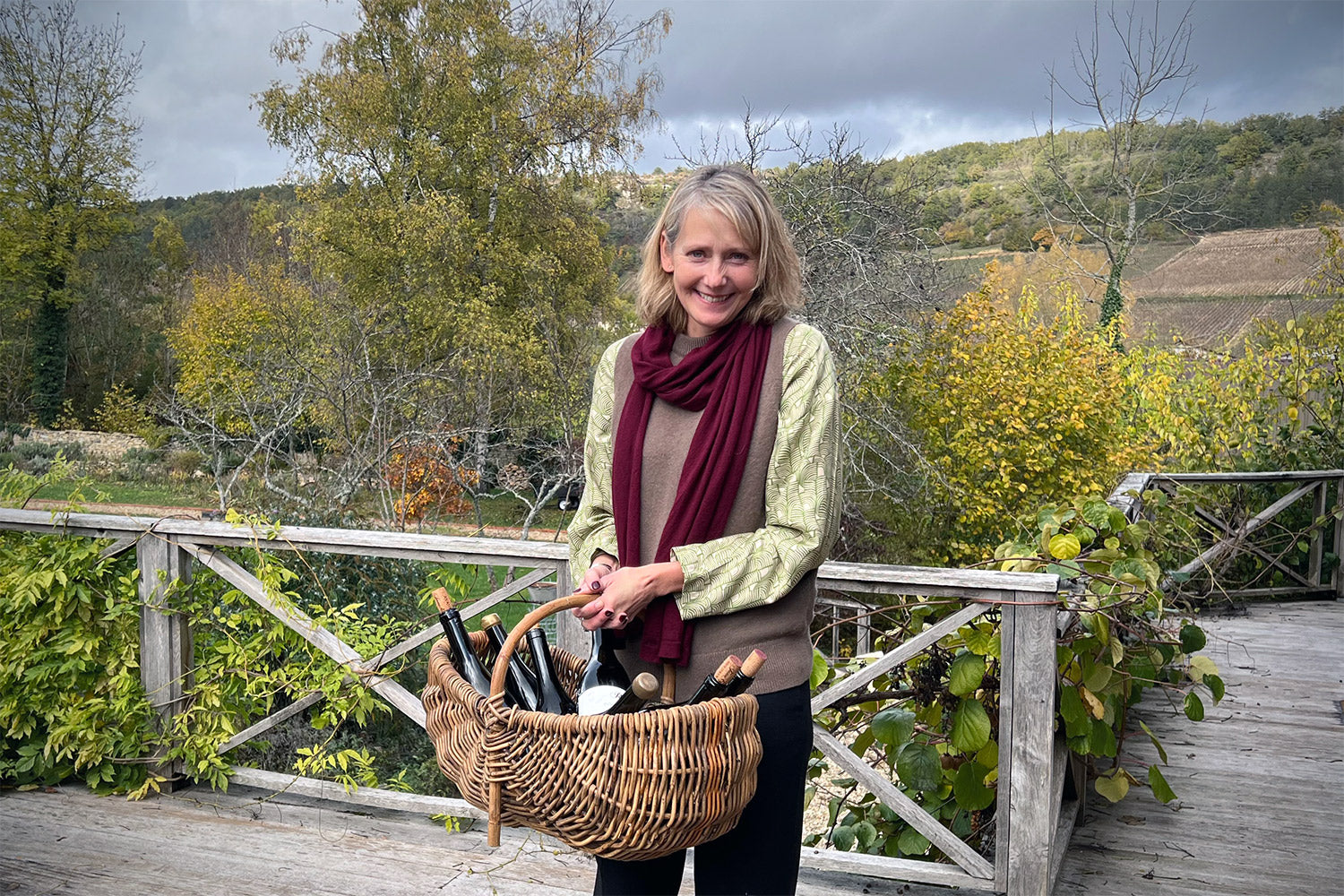
2024 could hardly suit Jane Eyre better. A cool, rain-affected year with low natural alcohols and sharply reduced volumes, it demanded obsessive sorting and restraint in the cellar. Jane delivered both. Sorting varied dramatically by site, with some parcels requiring extraordinary attention, but the results are wines of clarity, finesse, and unmistakable origin.
Whole-bunch use was carefully judged and varied by cuvée. In a vintage where some light-touch producers struggled to find flavour, Jane’s wines retain purity, energy, and real Pinot character. Barrel ageing has played a quiet but crucial role, rounding edges and knitting everything together without obscuring the transparency she prizes. These are wines that reward attention, and in cooler years like this, you truly see where they are from.
The Hautes-Côtes de Beaune sits at altitude compared to the grands crus below, with vineyards typically between 350 and 450 metres on Jurassic limestone and clay soils. The cooler temperatures and later ripening that come with elevation give wines a naturally higher acidity and more restrained fruit profile than their Côte de Beaune neighbours. 'Bois Prévoit' suggests a parcel with wooded surroundings, which can provide natural shelter and contribute a characteristic earthy, forest-floor character to the wine.
Bourgogne Hautes-Côtes de Beaune is a regional appellation covering villages in the hills west of the Côte de Beaune, producing Pinot Noir reds and Chardonnay whites. It sits below village-level appellations like Pommard or Volnay in the Burgundy hierarchy, but the best examples from conscientious growers offer genuine personality at a fraction of the price. The cooler, higher-altitude sites give the wines a leaner, more nervy character than the richer expressions found lower on the slope — more about freshness and energy than concentration.
The 2024 growing season in Burgundy was, frankly, a test of nerve. A wet spring brought significant mildew pressure, and vignerons who stayed sharp in the vineyard — working fast, keeping canopies open, reducing yields where necessary — came out the other side with something worth talking about. Summer brought warmer, drier conditions that helped the fruit recover composure, and harvest arrived broadly on the later side, with growers picking carefully to find phenolic ripeness without sacrificing freshness. Quantity was down across much of the Côte, which concentrates minds as much as it concentrates wine.
What emerged is a vintage that rewards those who put the work in. The Pinots we have tasted carry real precision and translucency — not because they are light, but because the acidity is lively and the fruit unforced. Chardonnays from the Côte de Beaune look particularly promising: taut, mineral, with genuine length. This is not a vintage to panic-open. Most village and premier cru reds want three to five years at minimum, with the better appellations drinking well until 2035 and beyond. The whites are more approachable now, though the best will reward patience too.
Explore related wines


-
-
Speak to one of our Wine Gurus
Speak to a Wine GuruWith years of experience, our team can help you with all your wine buying and selling needs