

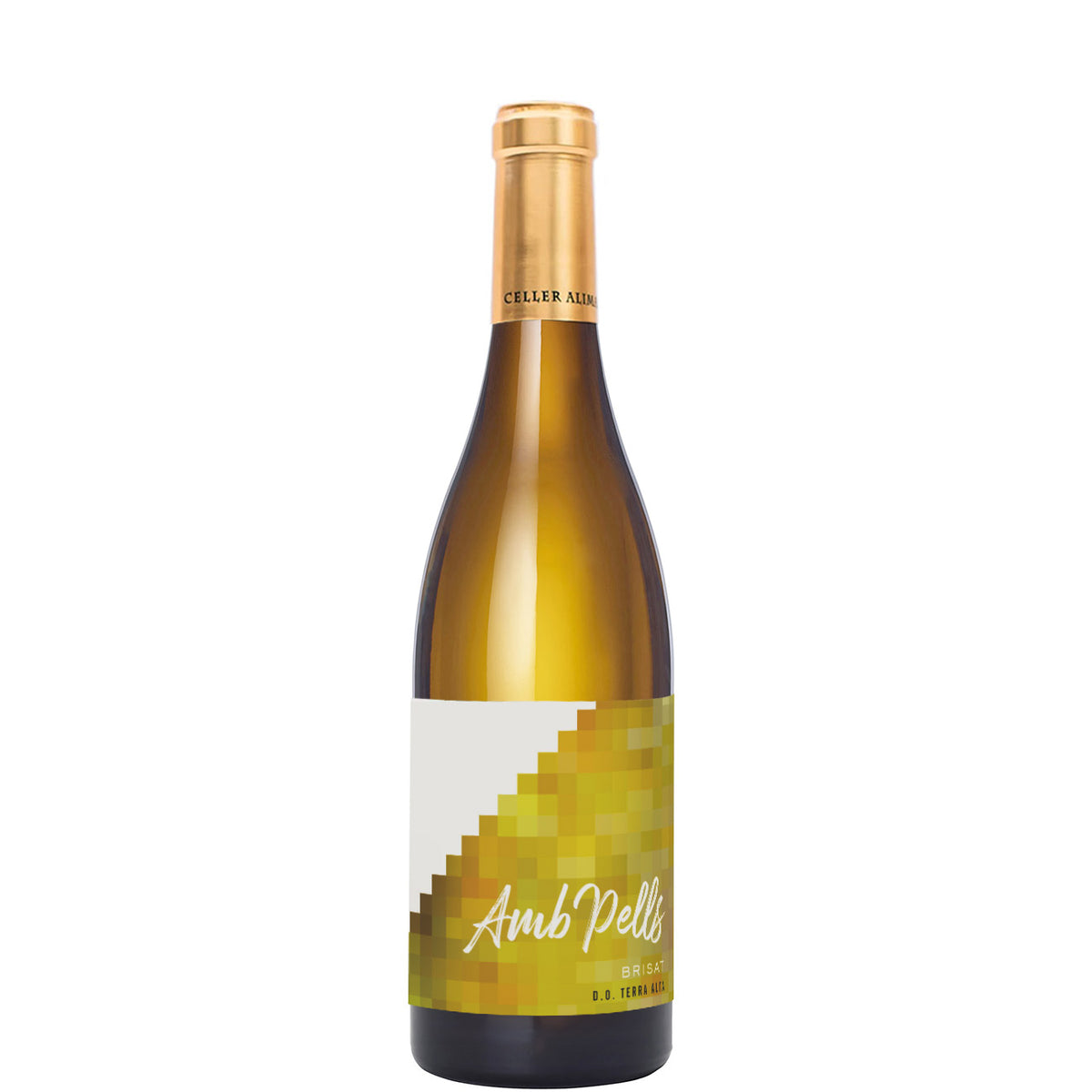
Celler Alimara, Amb Pells Brisat, 2022
Celler Alimara, Amb Pells Brisat, 2022
- 75cl
- 12.5%
- White Still
- Xarel-lo
Couldn't load pickup availability

Optimal drinking window: 2026 - 2030
Celler Alimara works out of the Catalan interior, well away from the Cava factories that made the region's name, and this skin-contact Xarel-lo is proof of what the grape can do. 'Amb Pells Brisat' translates roughly as 'with skins, fermented like must' and that's exactly the point: this is orange wine made without artifice, left to find its own shape.
Expect a wine with real grip, somewhere between white and red in feel, all bruised orange peel, dried apricot, and a tannic edge that catches the inside of your cheeks. It's a wine that rewards a bit of patience in the glass and a willingness to think beyond the usual categories.
This is a wine built for relatively early drinking rather than long cellaring, though it isn't fragile either. Over the next year or two the tannins will soften a touch and the orange peel character will mellow into something rounder and more integrated. Expect the savoury, oxidative notes to become more pronounced with time, while the primary stone fruit character gradually recedes into the background.
Tasting Notes
AppearanceDeep amber-orange, hazy and unfiltered in the glass.
NoseBruised orange peel, dried apricot, and a savoury, slightly nutty edge with a whisper of beeswax.
PalateTextured and grippy, with ripe stone fruit cut by real tannin and a saline, almost chewy quality.
FinishLong, dry, and slightly bitter in the best sense, like orange pith.
Overall impressionA wine that asks you to pay attention rather than one that simply pleases.
Food Pairings
In Catalonia, a wine with this much grip and savoury weight would happily sit beside escalivada, the smoky grilled vegetable dish of aubergine and pepper, or a plate of cured botifarra sausage. Aged cheeses like Garrotxa, with their firm texture and tang, meet the wine's tannin head on. Locals wouldn't shy from something fattier either, perhaps slow-cooked pork or duck, where the wine's structure cuts cleanly through the richness.
We think this wine would go well with
Serve slightly cooler than a typical red but warmer than your usual white, around 12-14°C, to let the textured palate show itself without being muted by cold. No need to decant extensively, but 20-30 minutes of air helps the aromatics unfurl. A tulip-shaped white wine glass or a stemless natural wine glass both work well here, nothing too narrow.
The vines grow inland from the Mediterranean coast, in Catalonia's warmer, more continental interior, where diurnal swings help preserve acidity despite the heat. Soils here tend toward clay and limestone, giving Xarel-lo the backbone it needs to carry extended skin contact without collapsing into flabbiness. The combination of old vines and a dry, sun-baked climate produces grapes with thick skins, ideal for this style.
This wine likely falls outside strict DO regulations, as skin-contact and amber wine producers in Catalonia often bottle under a broader regional or table wine designation to retain freedom from conventional winemaking rules. Catalonia as a wider region is best known for Cava and Priorat, but a quiet movement of growers producing orange and natural wines from Xarel-lo and other indigenous grapes has been gathering pace, unshackled from convention.
Catalonia's 2022 vintage delivered one of those seasons that kept growers on their toes from start to finish. The year began promisingly enough, but summer brought intense heat and drought that tested even the most experienced hands in regions like Penedès and Priorat. Harvest came early across the board, with many producers picking weeks ahead of their usual schedule to preserve freshness and avoid the relentless August sun.
What emerged from the cellars shows remarkable concentration and power, though the best producers managed to retain the brightness that makes Catalonian wines so food-friendly. The indigenous varieties particularly shone: Garnacha from the higher altitude sites in Montsant shows beautiful spice and mineral backbone, while Tempranillo-based blends from Penedès have that lovely tension between ripe fruit and savoury depth. We're finding most of the reds are drinking beautifully now, offering immediate pleasure while having the structure to reward a few more years in the cellar.
FAQs
What does this wine taste like?
Think bruised orange peel, dried apricot, and a grippy, tannic texture more akin to a light red than a typical white.
When should I drink this wine?
It's ready now and will hold its character nicely until around 2030, with little benefit to long-term cellaring.
What food should I pair it with?
Smoky grilled vegetables, cured sausage, or firm aged cheese all suit its texture and savoury edge.
How should I serve it?
Serve at 12-14°C in a white wine glass, with 20-30 minutes of air to let it open up.
Is this wine worth cellaring?
Not really the point of this bottle. It's made for drinking within a few years while its textured, lively character is at its best.
Is this a natural or orange wine?
Yes, it's a skin-contact white made from Xarel-lo, fermented with its skins to extract colour, texture, and tannin, placing it firmly in the orange wine category.


What are you looking for tonight? Tell me the occasion, a grape, a region — or just try a suggestion below.
Your recommendations will appear here.
-
-
Speak to one of our Wine Gurus
Speak to a Wine GuruWith years of experience, our team can help you with all your wine buying and selling needs