

Weingut Stadlmann, Zierfandler Anninger, 2018
Weingut Stadlmann, Zierfandler Anninger, 2018
- 75cl
- 12.5%
- White Still
- Zierfandler
- Organic
Couldn't load pickup availability

Optimal drinking window: 2026 - 2030
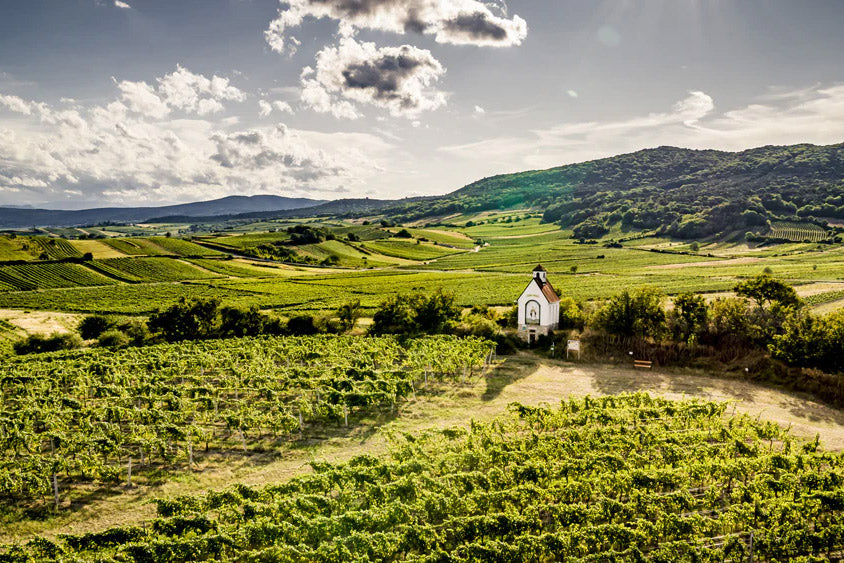
Zierfandler is one of Austria's great originals, and the Thermen Region is its spiritual home. Stadlmann's Anninger bottling comes from certified organic vineyards on the slopes of the Anninger hill near Traiskirchen, and it does what the best examples of this grape always do: it wrong-foots you. At 6 grams of sugar per litre it sits in that beguiling no-man's land between dry and off-dry, with enough weight to feel generous but enough acidity to stay precise. Apple, peach, a squeeze of lime, and something faintly nutty and tea-like in the background.
We find it a genuinely versatile white at the table, equally happy alongside mushroom risotto or a fragrant Thai green curry.
The 2018 vintage gave Zierfandler plenty of ripe fruit to work with, and right now the wine is in a very appealing, open phase with primary orchard and citrus fruit very much at the fore. Over the next year or two the fruit may begin to deepen slightly, taking on more honeyed, waxy character as the wine fills out.
Tasting Notes
AppearancePale gold with a faint greenish tinge, clear and bright in the glass.
NoseRipe apple and white peach upfront, then a more exotic note of pineapple and lime zest. There's a background quality that's almost like white tea or lightly toasted almond, subtle but distinctive.
PalateMedium-bodied with a texture that feels softer than the acidity alone would suggest, that residual sugar doing quiet work. The fruit is generous and orchard-driven, with a mineral pull on the mid-palate that keeps everything honest. Structure is firm without being austere.
FinishClean, moderately long, with citrus and mineral notes lingering alongside a faint savoury quality.
Overall impressionA genuinely characterful white that rewards curiosity and pairs more broadly than you'd expect.
Food Pairings
In the Thermenregion, a wine like this would typically appear alongside Viennese classics: a Wiener Schnitzel with a squeeze of lemon, or a plate of Liptauer cheese spread thickly on dark bread. Mushroom dishes are a natural pairing, whether a simple sautéed Eierschwammerl (chanterelles) with parsley or a richer mushroom Strudel. The locals also drink it with Forelle (trout) from the cold Alpine streams nearby, simply pan-fried in butter. Its gentle sweetness and mineral backbone also make it a surprisingly good companion to anything with a touch of spice.
We think this wine would go well with
Serve at around 10-12°C, cold enough to keep the acidity lively but warm enough to let the fruit express itself. No need to decant; just open and pour. A standard white wine tulip works well, though a slightly broader bowl will help the more aromatic, exotic notes open up over the course of the glass.
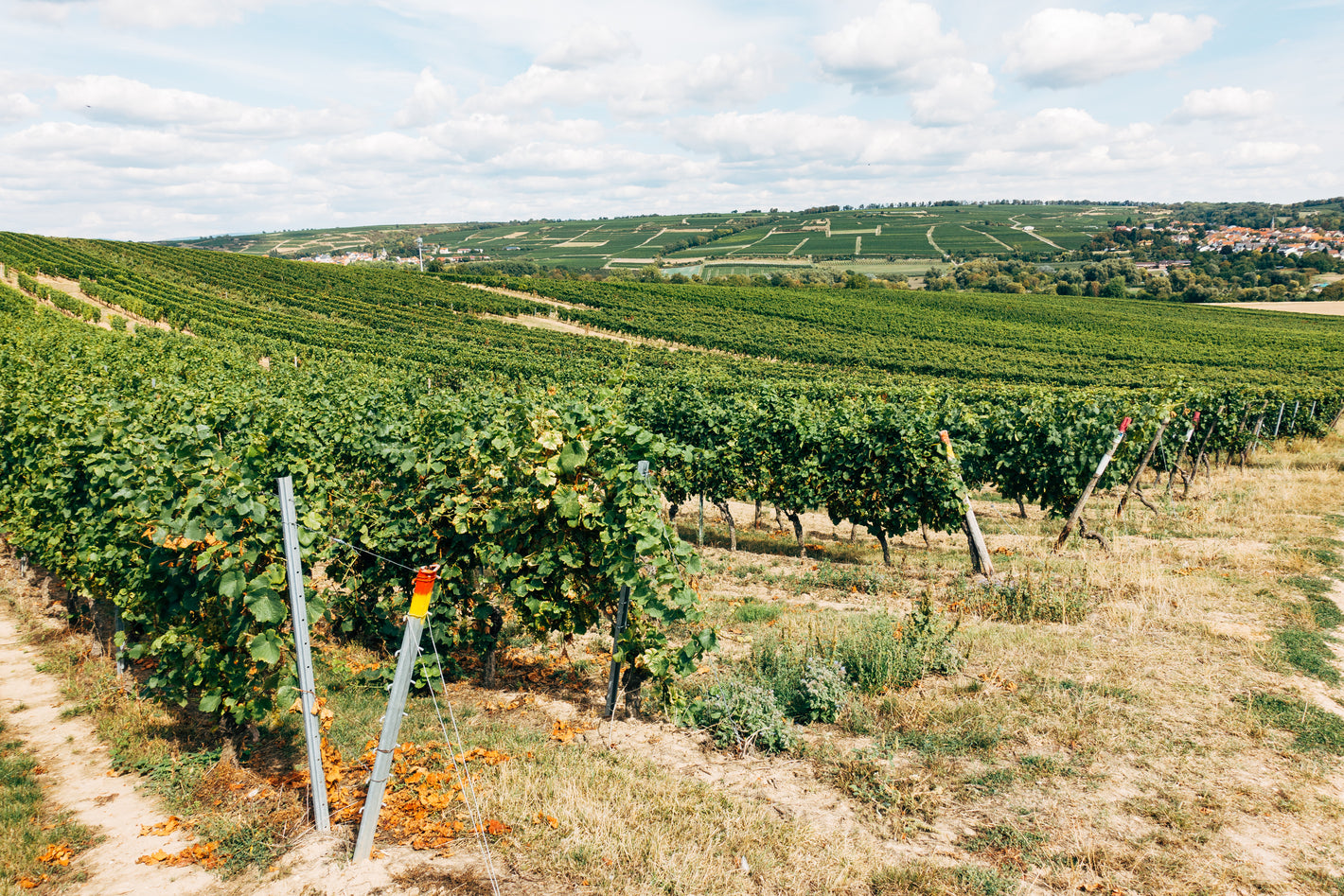
The Anninger hill rises above Traiskirchen to the south of Vienna, offering well-drained slopes with a mix of limestone and primary rock soils that give the wines their characteristic mineral edge. The Thermenregion sits in the rain shadow of the Alps, benefiting from warm, dry autumns that allow Zierfandler to ripen fully, though the proximity of the Pannonian plain brings diurnal swings that preserve freshness and acidity. That combination of warmth and mineralogy is what gives this wine its particular push and pull between richness and grip.
The Thermenregion, named for its famous thermal springs, is a long, narrow strip of vineyard land running south from Vienna along the eastern edge of the Wienerwald. It is most distinguished by its cultivation of two grape varieties found almost nowhere else: Zierfandler and Rotgipfler, both white, both capable of real complexity and ageing potential. Unlike the broader Niederösterreich designation that surrounds it, the Thermenregion has its own distinct character shaped by warming Pannonian influence, and its whites tend to be fuller-bodied and more textural than, say, the Wachau or Kamptal to the north.
FAQs
What does Zierfandler taste like?
Think ripe apple, white peach, and a little citrus zest, with a faint nutty quality and something tea-like in the background. It sits just off-dry, which gives it a softness and generosity without ever tipping into sweetness. The acidity and mineral edge keep it fresh and food-friendly.
When should I drink this wine?
It's drinking really well right now, in 2026, and will stay at its best until around 2029 or 2030. There's no strong case for cellaring it further; the primary fruit is the point, and you want to catch it while it's singing.
What food does it pair with?
Mushroom dishes are a classic match, anything from a simple sautéed chanterelle to a creamy mushroom pasta. It also works brilliantly with fragrant, mildly spicy Asian food, Thai green curry, Vietnamese spring rolls, that kind of thing. The gentle off-dry quality cushions heat without fighting the food.
Is it sweet or dry?
Neither, exactly. At 6 grams of sugar per litre it's technically off-dry, but the acidity and mineral structure mean it doesn't taste sweet. It has a softness and approachability that drier wines can lack, but it's absolutely a food wine rather than a sipping wine.
How should I serve it?
Chill to around 10-12°C and pour straight from the bottle. No need to decant. A standard white wine glass is fine, though something with a slightly wider bowl will let the more aromatic notes breathe a little.
Is it suitable for vegans?
Yes. While the wine isn't formally certified as vegan, Stadlmann confirm that it is suitable for vegans. The estate is certified organic.

Explore related wines


What are you looking for tonight? Tell me the occasion, a grape, a region — or just try a suggestion below.
Your recommendations will appear here.
-
-
Speak to one of our Wine Gurus
Speak to a Wine GuruWith years of experience, our team can help you with all your wine buying and selling needs